Get Full Government Meeting Transcripts, Videos, & Alerts Forever!
Get email alerts on the Single Audit topic
No spam. Unsubscribe anytime.
Legislative auditors report 45 findings, flag Medicaid oversight problems in 2024 single audit
Summary
Legislative audit staff told JFAC they identified 45 findings (7 repeats) in the state's 2024 single audit, highlighted material weaknesses in Medicaid special tests and managed‑care oversight, and asked the committee to prioritize follow‑up items.
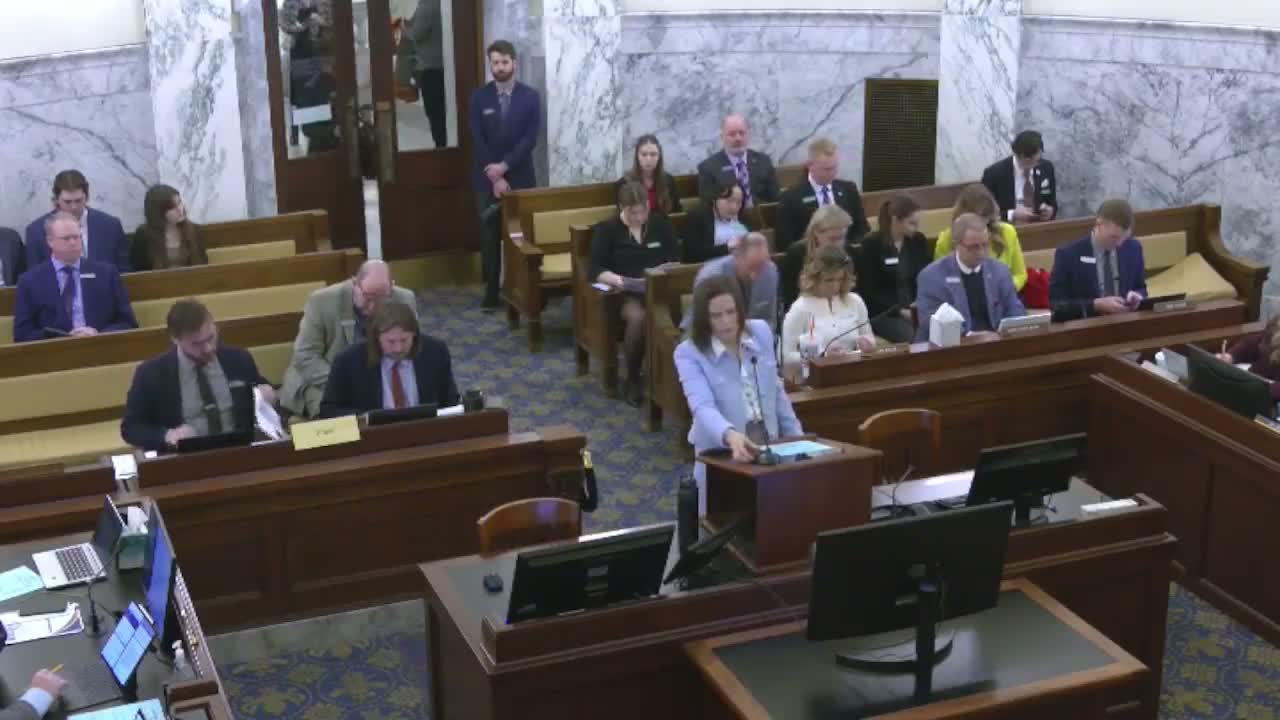
April Renfro, legislative audit division manager, presented the 2024 statewide single audit to the Joint Finance‑Appropriations Committee and said auditors identified 45 findings across state agencies, including seven repeat findings.
Renfro said the state reported about $5.4 billion in federal assistance that was part of the audit scope (excluding colleges/universities and the Idaho Housing and Finance Authority). She noted auditors designated 21 federal programs as "major" for the year; Medicaid was by far the largest program under review and accounted for roughly $3.0 billion of the federal assistance figure.
The audit identified known questioned costs of about $2.4 million and projected questioned costs of roughly $2.0 million. Renfro highlighted Medicaid findings tied to special tests and managed‑care organization oversight: auditors could not verify eligibility documentation for a portion of MCO providers, found insufficient documentation of provider rosters and reviews, and identified instances where capitation payments were made for members who were ineligible in the Medicaid system.
Renfro emphasized a programmatic risk tied to delayed health and safety surveys for long‑term care facilities, which she said poses a client safety concern. Other noteworthy program findings included reporting and classification errors in the Child Care and Development Fund (CCDF), where an error understated federal share by about $1,000,000 and misclassified expenditures, and a carry‑forward of material weaknesses in the low‑income home energy program.
Committee members asked about accountability for repeat findings. Renfro said the committee itself is a primary accountability mechanism — the legislature can require agencies to address corrective actions — and the federal clearinghouse and grantor agencies also perform management reviews that can result in decisions or penalties. Members asked Renfro to provide a prioritized top‑10 list of findings for JFAC follow‑up; Renfro agreed to deliver that list to the co‑chairs.
Members also discussed the state's financial system transition (LUMA); Renfro said reporting delays and data‑access issues tied to that transition contributed to some reporting findings, though she characterized many issues as multi‑factor and not solely the result of the LUMA changeover.
Renfro recommended the committee review agencies’ corrective action plans when agencies request budgets, and to ask detailed questions about how they will fix recurring problems.