Get Full Government Meeting Transcripts, Videos, & Alerts Forever!
Get email alerts on the Sb276 Contraceptive Coverage topic
No spam. Unsubscribe anytime.
Senate panel advances bill to require insurers to cover 12‑month contraceptive supplies
Summary
SB 276, which would require insurers to cover a 12‑month supply of FDA‑approved contraceptives at once, was moved from the Senate Health and Social Services Committee after supporters testified that it improves access, reduces costs and protects survivors; the Medicaid effective date in the committee substitute was moved to Jan. 1, 2028.
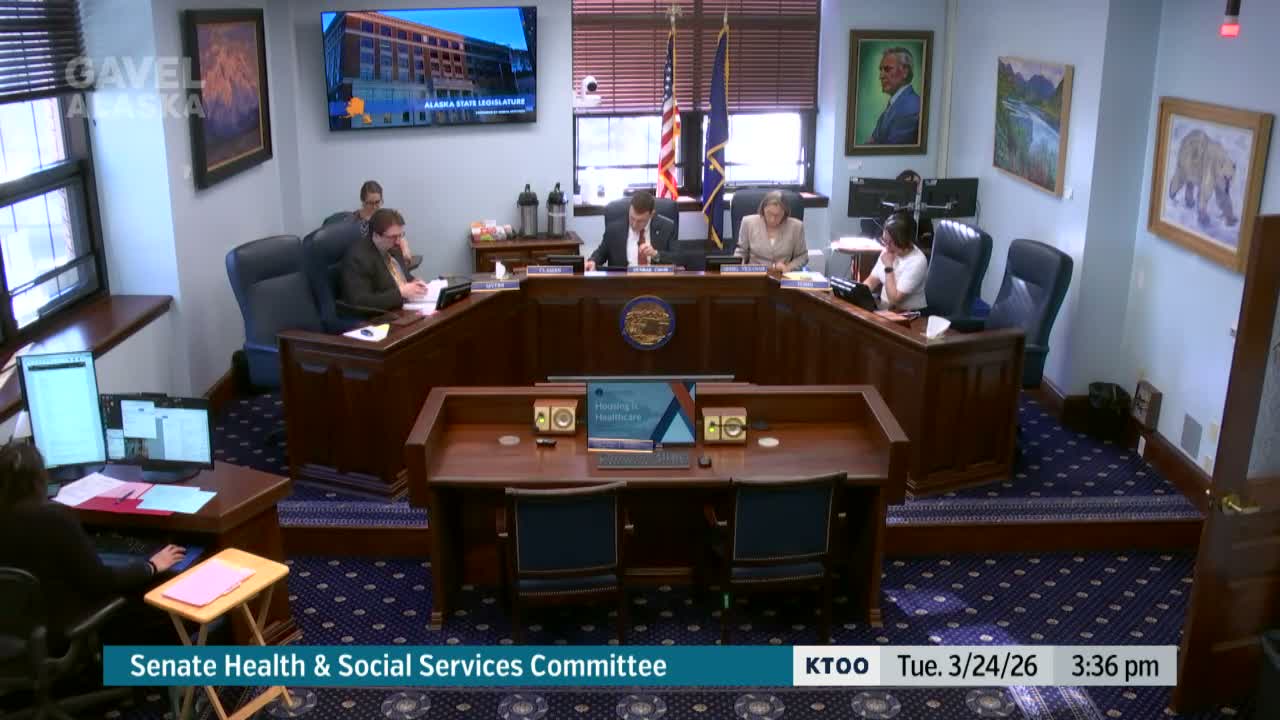
The Senate Health and Social Services Committee advanced Senate Bill 276, a measure that would require insurers to cover a year's supply of FDA‑approved contraceptives at a single dispensing.
Ariel Harbison, staff to Chair Dunbar, explained the committee substitute moved the Medicaid effective date from Jan. 1, 2027, to Jan. 1, 2028, to allow time for federal approval. The committee then opened the record for public testimony.
Supporters called in and appeared in person. Laurie Morton, deputy director of the Alaska Network on Domestic Violence and Sexual Assault, said the change serves a critical safety function for survivors of reproductive coercion and that "providing the opportunity for women to get a 12 month supply of birth control will limit the opportunities for danger they may experience." Morgan Lim of Planned Parenthood Alliance Advocates testified that "SB 276 will undoubtedly improve access to contraceptive care by requiring insurers to cover a year's supply of birth control at 1 time," adding that 29 states and the District of Columbia have enacted similar policies. Multiple other speakers (from urban and rural Alaska) described how monthly or quarterly fills create barriers in a state with long travel distances, seasonal work and limited pharmacy access.
After testimony and brief questions (Department of Health staff were online for follow‑up), Vice Chair Giswold moved the committee substitute from committee with individual recommendations and an attached fiscal note; no objections were raised and the measure moved forward. Legislative Legal was authorized to make any necessary conforming changes.