Get Full Government Meeting Transcripts, Videos, & Alerts Forever!
Get email alerts on the Pelham Reconstruction topic
No spam. Unsubscribe anytime.
Pelham Boulevard reconstruction approved despite resident objections over design, tree impacts and assessments
Summary
Council approved a roughly $18.5M reconstruction of Pelham/Franklin/Mississippi River Boulevard with most funding from the city and 10% from assessments; residents contended the design would move the road closer to homes, reduce boulevards and create potential health and property‑value harms, while staff said the shift preserves significant trees and calms traffic.
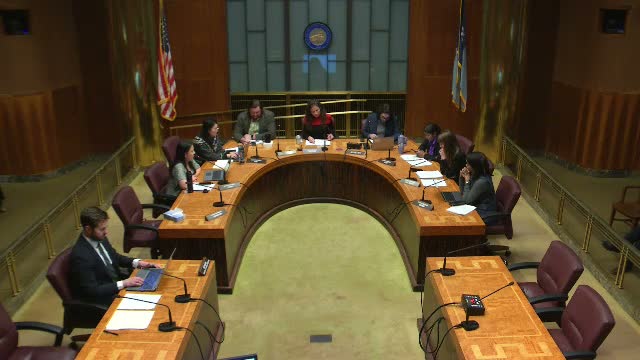
The St. Paul City Council approved the final order for the Pelham/Franklin/Mississippi River Boulevard reconstruction project after a lengthy public hearing in which residents criticized the proposed design, assessment methodology and potential impacts on trees and nearby homes.
Project staff told the council the overall estimate is approximately $18.5 million, 90% of which the city will fund, with roughly 10% to be recovered through special assessments. The design includes full street reconstruction, pedestrian and bicycle improvements, stormwater treatment, median islands and modest lane reconfiguration; staff said the corridor's right‑of‑way (about 120 feet) allows a 14‑foot roadway shift while retaining a 20‑foot boulevard in many locations.
Residents gave extended testimony opposing aspects of the current design. Bernay Veracruz said the project "moves the roadway closer, increases noise and visual exposure" and argued that such changes could reduce market value and therefore do not confer a lawful "special benefit" for assessment purposes. Another resident asked plainly: "How does moving a road 14 feet closer to a home increase its value?"
Environmental and health concerns were raised as well. A speaker representing nearby residents cited links between traffic‑related air pollution and respiratory and cardiovascular harms and warned that moving the road closer to houses could worsen health outcomes for vulnerable neighbors.
Project manager Jerry Lee defended the design choices, saying the meander and shift help calm traffic and preserve significant trees; he said the current design can save "about 75% of the existing canopy" with the chosen alignment. Staff also explained the limitations of municipal‑state aid funding and noted the project relies on the local "common sense" sales tax to advance the work.
Council action: After hearing testimony and staff responses, the council approved the final order to move forward; assessments will be calculated and ratified later and a process for appeals and hardship considerations was outlined.
Why it matters: The project shows tension between citywide goals (connected bike/pedestrian networks, tree preservation, stormwater control) and adjacent homeowners' concerns about immediate effects on property, health and out‑of‑pocket assessments.