Lifetime Citizen Portal Access — AI Briefings, Alerts & Unlimited Follows
Senate committee backs criminal penalties for contractors who knowingly use unlicensed labor brokers
Loading...
Summary
The committee advanced HB 4089B, which creates criminal liability for contractors or subcontractors who knowingly use unlicensed construction labor contractors and expands the theft-of-services definition to include wages; sponsors and unions urged the bill to deter wage theft and preserve civil remedies.
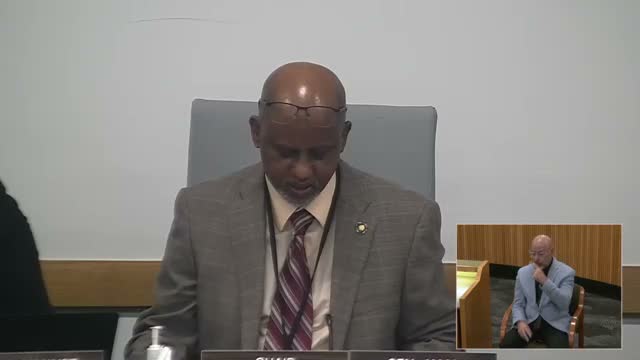
The Senate Rules Committee on March 3 advanced House Bill 4089B after testimony from the bill sponsor, legislators, labor advocates and industry representatives. The bill amends the theft-of-services definition to explicitly include full or partial wages and creates criminal penalties for direct contractors or subcontractors who knowingly use unlicensed construction labor contractors.
Representative Thuy Tran, sponsor of HB 4089B, told the committee the change is a narrowly tailored response to wage theft in the construction sector and would apply criminal sanctions where contractors knowingly engage with unlicensed labor brokers. "House Bill 4089 creates a narrow but meaningful penalties for contractor and subcontractors in the construction sectors who knowingly break the law," Tran said, noting a tiered approach with a misdemeanor for a first offense and felony penalties for repeated violations.
Senator Courtney Nieron Mislan and witnesses from worker-advocacy groups and the Carpenters Union supported the bill. Kate Sussman of the Northwest Workers' Justice Project said the measure serves as a warning to those who "knowingly" contract with unlicensed brokers, while Eric Morgan of the North Coast States Carpenters Union said the legislation clarifies that partial payment tactics constitute theft and preserves civil remedies alongside criminal penalties.
Industry testimony (Chris Fowler) presented estimates of labor-costs and tax leakage tied to subcontracting and argued the bill creates a small administrative approach—such as a one-page state form—to document self-performing subcontractors and improve compliance. Committee members probed enforcement capacity for BOLI; sponsors said the bill relies on an interagency compliance network to coordinate investigations and support enforcement rather than leaving BOLI to act alone.
After public testimony the committee moved HB 4089B to a work session and voted to send it to the floor with a do-pass recommendation.