Get Full Government Meeting Transcripts, Videos, & Alerts Forever!
Get email alerts on the Environment Water Sk Hynix topic
No spam. Unsubscribe anytime.
Residents press council for more oversight, cite risks to Teays Aquifer from proposed SK Hynix factory
Summary
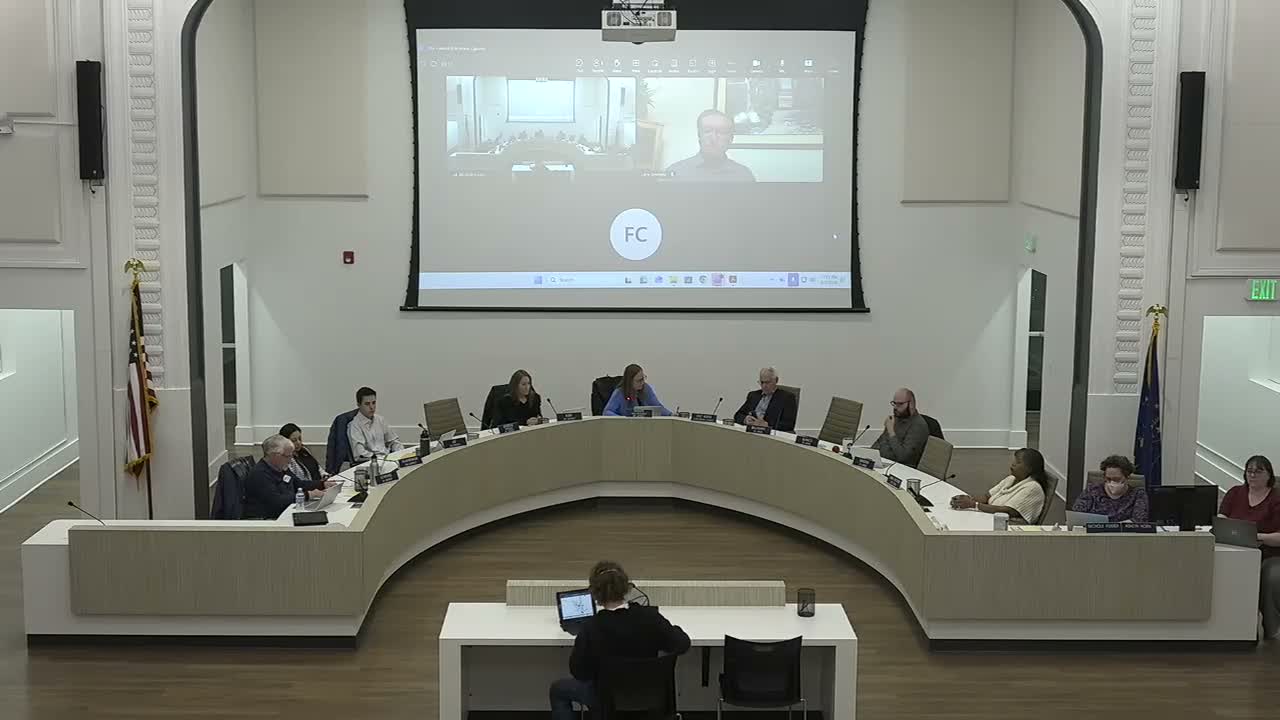
At the March 2 West Lafayette City Council meeting, more than a dozen residents and experts urged the council to demand fuller disclosures and stronger safeguards related to SK Hynix’s proposed semiconductor factory, citing concerns about water withdrawals, PFAS and wetlands. No formal action was taken at this meeting.
Residents and experts used the public-comment period at the March 2 West Lafayette City Council meeting to urge elected officials to demand more information and stronger protections related to a proposed SK Hynix semiconductor factory and its potential impact on the Teays Aquifer.
The concerns centered on water use, chemical discharges and wetland loss. “There will be a daily extraction of 4,000,000 gallons of water,” said Sarah Rue, a resident who urged the council to require a closed-loop water system and additional environmental safeguards. Several speakers repeated that figure and said it would stress local water resources and wetlands.
Speakers questioned which chemicals would be used on-site and how wastewater would be treated. Ellen Krasovsky said she and other residents still do not have a complete list of chemicals or suppliers for the plant and asked the council to “keep asking questions and seeking out those very important details.” Barb Tormelon cited research she said shows PFAS are used in semiconductor manufacturing and urged the city to require full disclosure and containment measures.
Multiple commenters described the Teays (often transcribed variously as "Tayes/Teyes") Aquifer as the community’s primary groundwater source and warned of long-term risks. Deborah Ellis said water “is sacred” and called for a coordinated, watershed-scale assessment before permitting large industrial withdrawals. Other speakers, including Helen DeMarco and Alexander Kimbaluk, cited academic studies and professional testimony they said showed the potential for groundwater drawdown and contaminant movement toward wells and wetlands.
City staff and the council did not take further action on the matter during this meeting. Several public speakers asked the council to pursue stricter contract terms, require closed-loop or on‑site treatment systems, and consider relocating the facility to a less sensitive site. The council did not vote on the SK Hynix project at this meeting; public comment concluded and the agenda proceeded to other business.
What happens next: The public comment record from this meeting will remain on file. Speakers asked council members to press state agencies and the company for full chemical inventories, wastewater disposal plans, and documented closed-loop treatment commitments before any final approvals proceed.