Lifetime Citizen Portal Access — AI Briefings, Alerts & Unlimited Follows
House passes financing framework for Moda Center renovations after extended debate
Loading...
Summary
The Oregon House passed Senate Bill 15 01, a framework authorizing bonds to modernize the Moda Center, after hours of debate on priorities, guardrails and projected economic gains. Supporters said the plan protects taxpayers by tying repayment to arena revenues and requiring local commitments; opponents called the measure an unfair public subsidy.
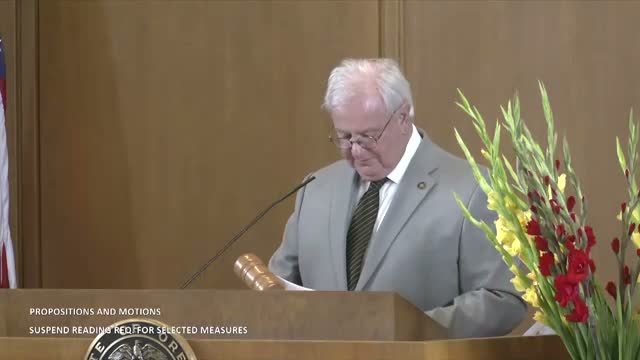
The Oregon House voted to pass Senate Bill 15 01 on March 6, 2026, adopting a framework that authorizes state-backed borrowing to fund modernization and infrastructure improvements at the Moda Center in Portland.
Supporters framed the measure as an economic-development tool. Representative Bowman said the arena and the Portland Trail Blazers “are more than just a professional basketball team,” arguing the venue supports thousands of jobs, local small businesses and broader statewide economic activity. Bowman also emphasized that, under the bill’s provisions, bonds would be issued only after several conditions are met and said the financing is structured so repayment is backed by arena-generated revenues rather than the state’s general fund.
Opponents said the timing and public cost were the problem. Representative Helfrich said the bill risks committing “$365,000,000 in state bonds” that, in his view, constitute a large public subsidy for a wealthy franchise while other statewide needs — from road repairs to rural services — remain underfunded. Several other members raised questions about negotiating deal terms: they objected to authorizing the financing framework before a finalized lease, private contribution levels, or binding local commitments were in place.
Lawmakers who supported the bill pointed to negotiated guardrails in the text. Those protections include a requirement for binding local financial commitments from Portland and Multnomah County before bonds can be sold, approval of the project scope and budget by a joint public authority, and a requirement that a long-term lease ensuring the team’s presence be signed before bond issuance.
Debate also touched on labor and environmental commitments. Representative Graeber and others noted the inclusion of project labor agreements and emphasized workforce-development and LEED performance as benefits that would extend beyond Portland. Several members cited staff or budget office estimates of project scale — supporters described a construction program on the order of several hundred million dollars and referred to figures presented on the floor for the expected statewide economic activity associated with the venue.
The House completed the roll and the Speaker declared that the bill had received the constitutional majority and was passed. The transcript records the bill’s passage and a subsequent request to allow one representative to change a recorded vote without altering the outcome.
The action now moves to the steps specified in the bill for implementing the financing framework and for local jurisdictions to make the required commitments before any bonds are issued.