Get Full Government Meeting Transcripts, Videos, & Alerts Forever!
Get email alerts on the Land Use topic
No spam. Unsubscribe anytime.
Oro Valley Board of Adjustment to Hear Appeals Previously Routed to Town Council After State Law Change
Summary
Town staff briefed the Board of Adjustment on a state law effective Jan. 1 and town code changes approved Jan. 14 that move certain administrative appeal cases from town council to the Board of Adjustment; staff outlined which applications are affected and warned members to avoid group discussions outside public meetings.
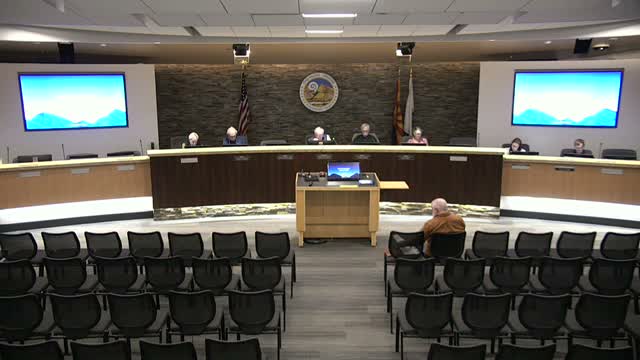
The Oro Valley Board of Adjustment on the record received a staff briefing on recent state and town code changes that shift certain development appeals from the town council to the Board of Adjustment.
Senior Planner Kyle Packer told the board the new state statute, effective Jan. 1, and corresponding town code amendments (town council approved the code changes Jan. 14) will mean that some cases previously appealed to the council now will be appealed to the Board of Adjustment. "The Board of Adjustment now hears appeals on a number of cases that were previously appealed to town council," Packer said.
Why it matters: the change creates new review responsibility for the board on administrative, code‑compliant, nondiscretionary approvals (for example, master development plans, site plans, plats and architecture) when those administrative decisions are appealed. Packer emphasized the distinction between nondiscretionary administrative approvals and discretionary land‑use requests, which still follow the Planning & Zoning Commission recommendation and town council consideration.
Packer explained that applications that are purely code‑compliant and nondiscretionary must be approved administratively if they meet the code; appeals of those administrative approvals are what will now appear before the board. By contrast, discretionary applications that request new property rights — such as general plan amendments, rezonings or conditional use permits — will continue to move through the Planning & Zoning Commission and town council as before.
Using a recent public‑art case as an example, Packer said town staff had denied a proposed surfboard installation on the grounds that the code prohibits art that "reflect[s] or include[s] advertising elements of a business," including corporate identity and business colors; council previously upheld that denial. "Staff discussed that the proposed art primarily reflects the name of the business here," he said, adding that the code also bars use of corporate colors when art functions as advertising. Packer noted that while council handled that appeal previously, similar future appeals of administrative decisions will be heard by the Board of Adjustment.
On who can appeal, Packer said the statute preserves the requirement that only "aggrieved parties" may file an appeal — typically the applicant or a property owner within 300 feet of the subject property — and that an appeal must identify an alleged error in applying a specific ordinance or regulation rather than simply expressing dislike for a project. As an example, he said an aggrieved party must point to an apparent misapplication of a 20‑foot setback rather than merely objecting to the project design.
Board members asked for staff support and guidance as they take on the new responsibilities. Chair Sturman requested that Packer email the presentation to board members for reference; Packer agreed. "I'd be very happy to do that," he said, adding that staff will provide full reports, applicant presentations and, when needed, organize site visits.
Members also raised ethics and open‑meeting concerns about members discussing cases among themselves outside public meetings. One member asked whether board members could hold discussions among themselves to gather facts; Packer advised that group discussions should occur in the public meeting to avoid quorum issues and the appearance of pre‑decision deliberations, and that executive sessions should be used only when seeking legal advice from the board's attorney.
Procedural business: the board introduced new member Lori Fried, elected officers by acclamation during the meeting, and approved the Nov. 17, 2025 special session minutes by voice vote. The meeting concluded with a motion to adjourn.
What happens next: the code changes Packer described will take effect 30 days after the Jan. 14 council approval; going forward, appeals of administrative, code‑compliant approvals that meet the statute's criteria will come before the Board of Adjustment and, if a party is dissatisfied, may be appealed to superior court.