Get Full Government Meeting Transcripts, Videos, & Alerts Forever!
Get email alerts on the Housing Inclusionary Zoning topic
No spam. Unsubscribe anytime.
Sen. Pham, stakeholders back bill letting Portland‑area cities require affordable units if developers are compensated
Summary
SB 15 21 A would let local governments in the Portland metropolitan area require minimum affordable units in new multiunit housing only if jurisdictions offset projected marginal‑value losses to developers through payments, tax abatements or fee waivers; sponsors said the bill balances production and affordability and removes a 'clear and objective' statewide mandate.
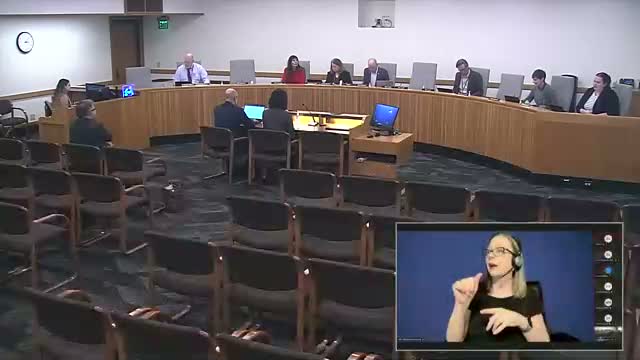
Senator Khan Pham (D‑SD 23) and housing advocates urged the House Committee on Rules to advance Senate Bill 15 21 A, which would let local governments in the Portland Metropolitan Statistical Area require minimum affordable units in new multiunit residential developments only if they offset the expected marginal‑value loss to developers.
Kya, who presented the bill to the committee, summarized its structure: offsets may take the form of direct payments, full or partial property‑tax abatements, or fee reductions and waivers. Kya said the bill removes the “clear and objective” statewide requirement for inclusionary regulations, raises the building‑size thresholds for applicability (to 10+ units generally and 20+ units in the city of Portland), and eliminates the 20% cap on required affordable units. Effective dates for rental provisions are set for 01/01/2028 and for all new developments on 01/01/2029.
“For the record, my name is Khan Pham,” Sen. Pham said, testifying in support and arguing that inclusionary zoning must be “very thoughtfully structured and financially viable.” He told the committee that Portland’s earlier unfunded mandate slowed production — leading some developers to build just below thresholds — and said SB 15 21 A aims to pair affordability requirements with workable offsets so housing production does not stall.
Michael Anderson, director of Cities and Towns for Sightline Institute, described the bill as the product of roughly 18 months of stakeholder work and characterized it as a pragmatic, bipartisan compromise that requires jurisdictions to periodically self‑assess their inclusionary programs with an economic analysis.
Remote testimony from land‑use attorney Ezra Hammer reinforced the production concern, citing an estimated shortage of about 60,000 housing units in Portland and asking that future inclusionary rules account for construction costs so the burden does not fall on builders or tenants.
The presenter noted a fiscal impact statement indicating no revenue impact and told the committee the bill came from the Senate on a 21‑aye, 6‑nay vote. The committee closed the public hearing and took no formal vote in the transcript.
SB 15 21 A would confine its provisions to the Portland metro region (Columbia, Clackamas, Multnomah, Washington and Yamhill counties) and would permit jurisdictions to set rental affordability thresholds below 80% of area median income if they choose.
The committee did not record a committee vote in the transcript; the measure remains in the hearing record for further consideration.