Lifetime Citizen Portal Access — AI Briefings, Alerts & Unlimited Follows
Debate on shifting lodging‑tax split to 50/50 centers on 'resiliency grants' for restaurants and hotels
Loading...
Summary
Sen. Suzanne Weber and supporters said House Bill 4,148A would give communities optional flexibility to use at least 50% of net transient lodging tax revenue for tourism promotion while allowing a portion to fund resiliency grants for small lodging and restaurant businesses; destination marketing organizations and industry groups opposed the resiliency grant language as undefined and risky.
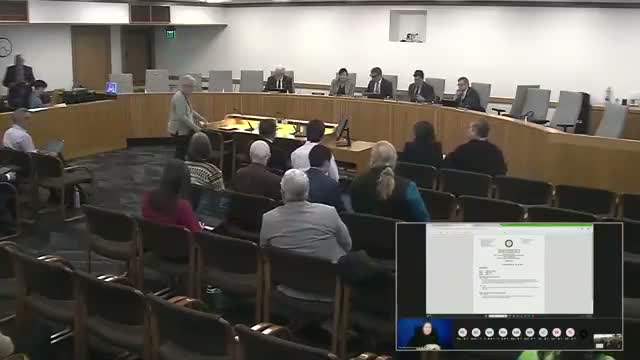
The Senate Committee on Finance and Revenue heard extensive public testimony on House Bill 4,148A, which would change how local transient lodging tax (TLT) revenue may be used and add an option to fund resiliency grants for small lodging and restaurant businesses out of the tourism‑restricted share.
LRO opened the matter by summarizing the bill: it would change the required share of net local transient lodging tax revenue dedicated to tourism promotion or tourism‑related facilities from at least 70% to at least 50%, allow the restricted tourism dollars to be used for resiliency grants for small businesses in restaurant and lodging industries, clarify that city/county services may include emergency and non‑emergency services provided by cities, counties, or special districts in lieu of a city/county, and add reporting and a study requirement with an operative date of Jan. 1, 2027.
Sen. Suzanne Weber, a chief co‑sponsor, framed the proposal around strained local capacity in tourism‑dependent communities, particularly on the coast: she cited large visitor surges (for example, Tillamook Creamery’s annual visitors) and said communities need flexibility to fund additional law enforcement, first responders and facilities. "The current situation is simply untenable for everyone," Weber said, arguing HB 4,148A preserves a 50% floor for promotion while giving localities new optional uses.
Supporters included county commissioners and public‑safety officials who described service pressures and infrastructure needs. Clatsop County Sheriff Matt Phillips testified in support on behalf of the Oregon State Sheriffs Association; Astoria Police Chief Stacy Kelly urged a yes vote and cited data that about 30% of DUII arrests and traffic crashes in Clatsop County involve out‑of‑town drivers.
Opposition was led by destination marketing organizations and tourism industry groups. Travel Lane County and the Oregon Destination Association urged removal of the resiliency grant language, arguing the bill "generates no new money" and redirects already‑encumbered tourism funds to a new program without safeguards. The Oregon State Chamber of Commerce and the Oregon Restaurant & Lodging Association likewise expressed concern that the resiliency grants were added late and lack definitions, limits, and accountability measures.
During committee Q&A, senators pressed sponsors on guardrails: where the resiliency funds would come from (the restricted tourism dollars), whether grants would be limited to restaurants and lodging, and how local application and distribution processes would be structured. Sponsors repeatedly said the change is permissive (localities may opt‑in), that the language was designed to allow local flexibility, and that new biennial reporting to the Legislative Revenue Office would provide oversight that would allow the Legislature to revisit policy if misuses emerge.
The committee closed public testimony without a vote and said it would post a work session if needed. The scope and design of the resiliency grant program — including eligibility, limits, and accountability — were the central contested issues in the hearing.
Next steps: Public testimony closed; committee signaled additional work may follow and no final committee action was taken at this hearing.