Lifetime Citizen Portal Access — AI Briefings, Alerts & Unlimited Follows
Panel split as insurers and regulators back expanded reporting on patient assistance; pharma warns of privacy, trade-secret risks
Loading...
Summary
Supporters including state regulators, insurers and labor groups told the committee SB 1528 A’s expanded reporting of manufacturer patient-assistance programs would improve transparency; industry groups including PhRMA and BIO opposed it, citing trade-secret and privacy concerns.
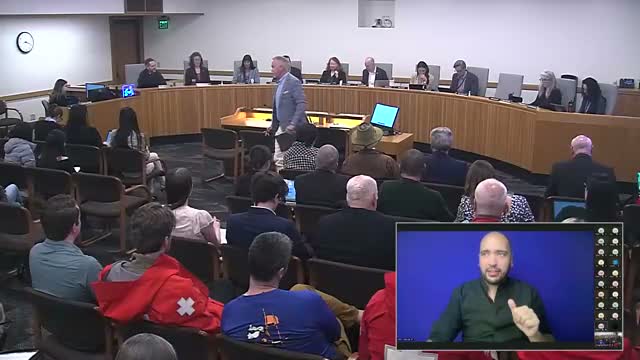
The House Rules Committee heard competing testimony on Senate Bill 1528 A, which would expand reporting requirements for drug manufacturers’ patient assistance programs to the Department of Consumer and Business Services.
Supporters—including DCBS staff and the Prescription Drug Affordability Board—said current reporting misses important programs and that the change would give policymakers and consumers better data on how assistance programs work and who benefits. ‘‘This is about transparency and accountability,’’ Rick Blackwell of PacificSource said, urging a yes vote.
Sarah Young, executive director of the Prescription Drug Affordability Board, said the expanded reporting can be implemented with current program staff because the change is narrow and continues to collect the same data but from a broader set of programs. Senator Deb Patterson added a lay explanation about how patient assistance can alter patient cost exposure and insurer spending.
Industry witnesses registered opposition. Daria McGrew of PhRMA said the expansion raises unresolved legal concerns and may not yield usable information for policymakers. Primo Castro of the Biotechnology Innovation Organization argued the bill would not address the primary drivers of out-of-pocket drug costs and raised trade-secret protections, while Lisa Buzanovich of Oregon Life Sciences warned aggregated reporting could create privacy risks for rare-condition patients.
Insurers and labor groups including Regions Blue Cross Blue Shield and SEIU told the committee that program reporting would help the state understand how assistance affects premiums and patient decision-making. No committee vote was recorded during the meeting.
The public record includes written testimony and the committee invited further comments on OLIS.