Get Full Government Meeting Transcripts, Videos, & Alerts Forever!
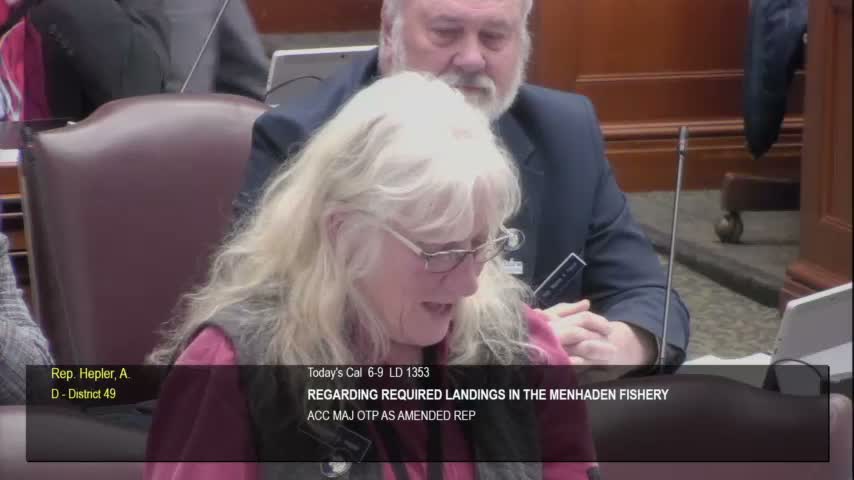
House moves to restore limited entry and licensing options in menhaden fishery
Summary
After extended debate over resource allocation, fairness and local economic impacts, the Maine House voted to advance a bill amending required landings and licensing rules for the menhaden fishery; supporters argued it restores opportunity for fishers shut out by prior rule changes, while opponents warned it risks the quota amid recent coastwide reductions.
The Maine House on March 19 approved changes to licensing and required landings in the menhaden (pogies) fishery aimed at restoring access for fishermen who lost licenses under prior regulatory changes.
Members described a difficult tradeoff: the Atlantic States Marine Fisheries Commission recently cut the coastwide menhaden quota by about 20 percent, increasing pressure on limited allocations; proponents said the…
Already have an account? Log in
Subscribe to keep reading
Unlock the rest of this article — and every article on Citizen Portal.
- Unlimited articles
- AI-powered breakdowns of topics, speakers, decisions, and budgets
- Instant alerts when your location has a new meeting
- Follow topics and more locations
- 1,000 AI Insights / month, plus AI Chat