Get Full Government Meeting Transcripts, Videos, & Alerts Forever!
Get email alerts on the Homelessness Services topic
No spam. Unsubscribe anytime.
Residents, volunteers and faith leaders urge Muskegon City to expand warming centers and low-barrier sheltering
Summary
Multiple public commenters at the City Commission urged a city-led 'code blue' warming plan, more low-barrier shelters and county coordination to address a reported rise in homelessness; speakers recounted frostbite, amputations and volunteer-led overnight shelter efforts.
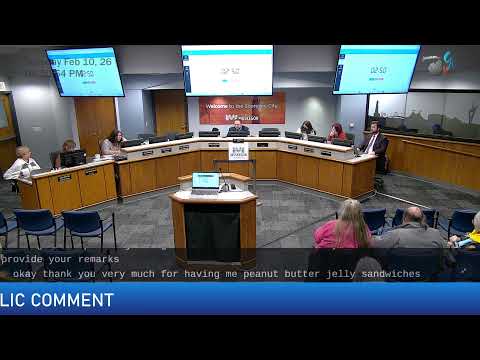
A series of public commenters at the Muskegon City Commission meeting urged local leaders to take immediate steps to help people experiencing homelessness, including creating a citywide code-blue policy for extreme weather, expanding low-barrier shelter options and coordinating with the county and community partners.
Linda Norton, speaking from Norton Shores, cited point-in-time count increases and research on foster-care exits and homelessness, and asked the commission what the city will do to step up services. "Between 2023 and 2024, homelessness increased by 18%... From 2018 to 2024, the increase was 40%," she said, and urged action on warming centers, showers and transportation.
Andrea Gania, who helped organize a short-term overnight warming shelter at Covenant Community Church, said volunteers served 253 people over 10 evenings and called the situation a crisis. "So Covenant Community Church opens an overnight warming center... we served 253 people on 10 evenings," she said, and asked the city how it can help scale such efforts and implement a code-blue ordinance.
Other speakers recounted individual medical emergencies tied to cold exposure and described barriers at religious-based shelters. One commenter cited a 2008 ACLU settlement in Washington, D.C., to argue that taxpayer-supported sheltering should not condition help on religious participation. Participants called for low-barrier sheltering, transparent policies and annual reporting on shelter performance.
Several callers and volunteers said churches and community groups are already providing emergency help and asked city and county leaders to coordinate. Dr. Milletti (calling in) and other volunteers offered practical support, such as food deliveries, and urged a consistent city plan to avoid fatalities and severe injuries this winter.
The mayor and commissioners thanked speakers and said follow-up conversations would continue outside the meeting; no formal action or vote on a city code-blue ordinance occurred during the session.