Lifetime Citizen Portal Access — AI Briefings, Alerts & Unlimited Follows
After heated debate, Council adopts net‑zero clarification with amendments to protect housing developers and public projects
Loading...
Summary
Following hours of debate and competing amendments, the Council passed emergency and temporary changes to net-zero building standards that ease on-site renewable requirements for certain affordable housing projects while preserving other green-building standards for public facilities.
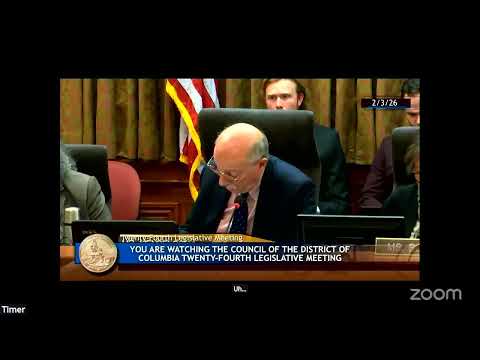
The Council adopted emergency and temporary legislation on Feb. 3 that modifies portions of the District’s net-zero building requirements to address implementation challenges and delivery delays in capital projects and affordable housing.
Council member Lewis George introduced the measure (PR26-519/Bill 26-577), saying it clarifies applicability and removes an on-site renewable requirement for affordable housing projects so those projects are not blocked by feasibility and GBAC review bottlenecks. "This legislation provides the clarity needed so that the budget submitted this spring reflects the true cost of delivering capital projects in compliance with the district law," Lewis George said.
Council member Robert White moved an amendment to preserve the compromise previously negotiated for residential projects pending permanent action; he warned that sudden reversals of standards cause "confusion and whiplash" for developers and could delay delivery of affordable units. The council debated whether to postpone consideration; a motion to postpone the bill to the next legislative meeting failed (5 yes, 8 no).
White’s amendment was approved on a recorded roll call (11 yes, 1 no, 1 present) and the bill as amended then passed by voice vote. Sponsors said the changes aim to reduce project delays and provide clearer standards for budgeting and design; opponents cautioned about the long-term policy trade-offs and urged careful permanent legislation.
Why it matters: The action affects how affordable housing and public capital projects comply with green-building standards in the near term and changes the oversight and approvals developers must navigate. Council members noted the changes are intended as clarifying and temporary while a permanent code update moves through committees.