
House advances measure to freeze property valuations for some seniors; county impacts debated
Get AI-powered insights, summaries, and transcripts
Sign Up Free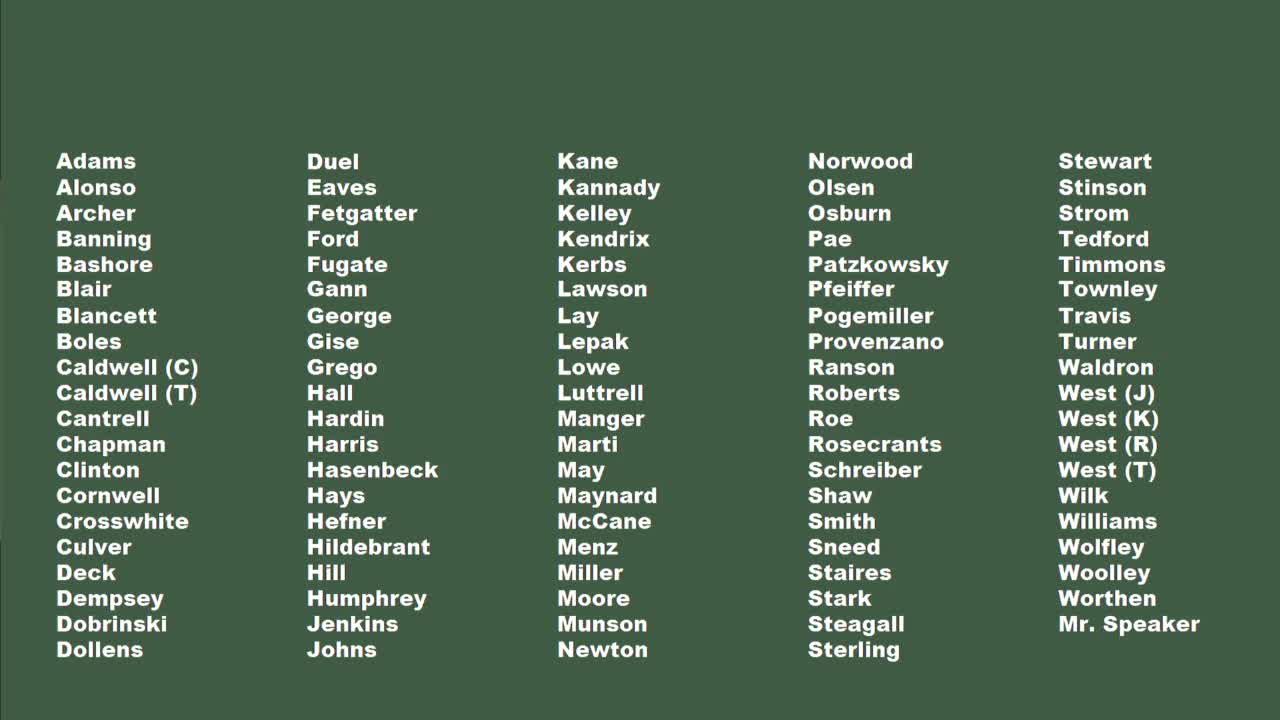
Summary
The Oklahoma House passed HJR 1081 to freeze ad valorem assessments for homeowners age 65 with seven years' residency and property values under $700,000. Sponsors said it eases fixed-income burdens; members raised questions about assessor treatment, large tracts and county fiscal effects.
Representative Manger introduced House Joint Resolution 1081, saying it would freeze ad valorem taxable valuations for homeowners age 65 who have lived in their property for seven years and whose home value is under $700,000. "It's freezing the ad valorem what it's assessed at," Manger said, framing the measure as relief for seniors on fixed incomes.
Members pressed for practical details. Representative Rowe asked whether assessors could simply raise assessed values before a homeowner reached eligibility to push them over the $700,000 threshold; Manger replied that current protest rights and comparable sales could be used to challenge overassessments. Representative DeBrinsky and others asked about the fiscal implications for counties; DeBrinsky said he did not see a state-level fiscal impact but warned counties would feel a reduction in projected increases.
Representative Fugate moved a floor substitute amendment to adjust how the threshold is set, urging the use of recent median sales price data to make the cap locally responsive; that amendment was ultimately tabled on a motion by Representative Pfeiffer. Members also sought clarification about homestead treatment for houses sitting on large tracts of land; the sponsor said the exemption would apply to the homestead parcel as defined by homestead exemptions.
The measure advanced on final passage. The clerk recorded 77 Aye and 13 Nay; the presiding officer declared the resolution passed. The sponsor said counties could analyze effects using assessor records by examining existing homesteaded properties to estimate fiscal impacts.
The next step is to move the resolution through the other chamber and, if adopted there, take the constitutional amendment process forward as required by state law.