Get Full Government Meeting Transcripts, Videos, & Alerts Forever!
Get email alerts on the Youth Services topic
No spam. Unsubscribe anytime.
YMCA outlines services in Westmoreland, recommends feasibility study for expanded facility
Summary
YMCA district executive Allison Cockrell described local programs, reported recent participation and assistance figures, requested $115,000 in county support for 2026, and YMCA leaders recommended a 4–6 month feasibility/market study to assess options for expanding services or a standalone facility.
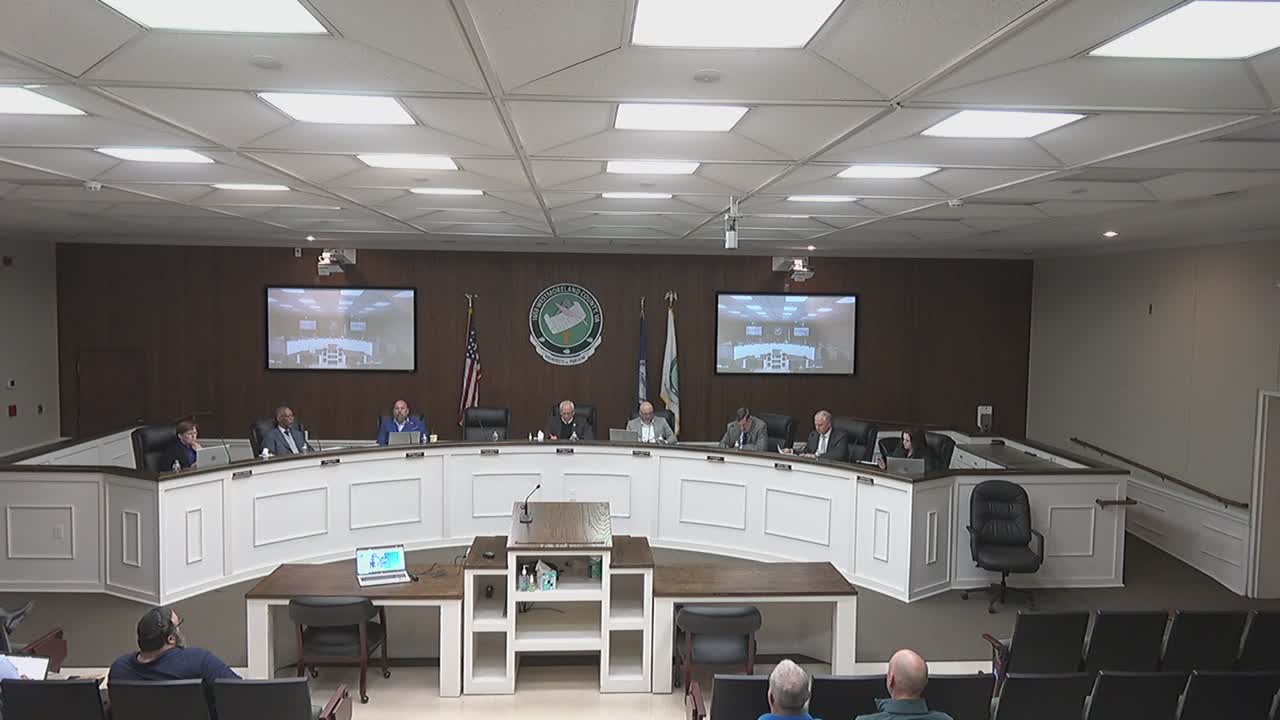
Allison Cockrell, district executive director for the Westmoreland Family YMCA, presented an overview of the Y’s programs to the Westmoreland County Board, described recent service counts and financial assistance, and outlined the organization’s request for county support.
"At the Y, our mission is to put Christian principles into practice through programs that build healthy spirit, mind, and body for all," Cockrell said, outlining youth development, healthy‑living and social‑responsibility programs the YMCA provides to the county. She said the YMCA has served Westmoreland County since 2006 and described a county budget request of $115,000 for 2026 that the Y says helps offset operating expenses.
Cockrell and YMCA staff provided program figures in response to board questions: they reported serving 111 children in youth sports, 38 in licensed childcare/after‑school programs, and 30 through a Bright Beginnings back‑to‑school program. The YMCA said it provided $4,500 in financial assistance in 2025 and cited a $27,000 operating delta that the association presently covers.
YMCA representatives — including the president and CEO, Adam Kletz, introduced by Cockrell — recommended beginning a feasibility and market study to evaluate whether the county could sustain an expanded or standalone facility. Presenters described a typical feasibility study timeframe of about 4–6 months, and said costs are often split between the Y and the local government with a shared agreement on scope and use of results.
Board members asked about local fundraising, advisory structures, and partnerships with other youth organizations such as the Boys & Girls Club. YMCA staff said they currently operate as a program site without a dedicated Westmoreland advisory board, that local dollars raised stay in the county, and that collaborative program models (shared facilities or joint programming) are feasible.
The board did not vote to fund a study at the meeting; staff said timing could be considered during the upcoming budgeting process if the board decides to move forward.
Cockrell invited board members and residents to learn more via the county’s social media and the YMCA’s posted materials.