
Lawmakers hear hours of testimony and expert briefings on bill to schedule kratom and synthetic derivatives
Get AI-powered insights, summaries, and transcripts
Sign Up Free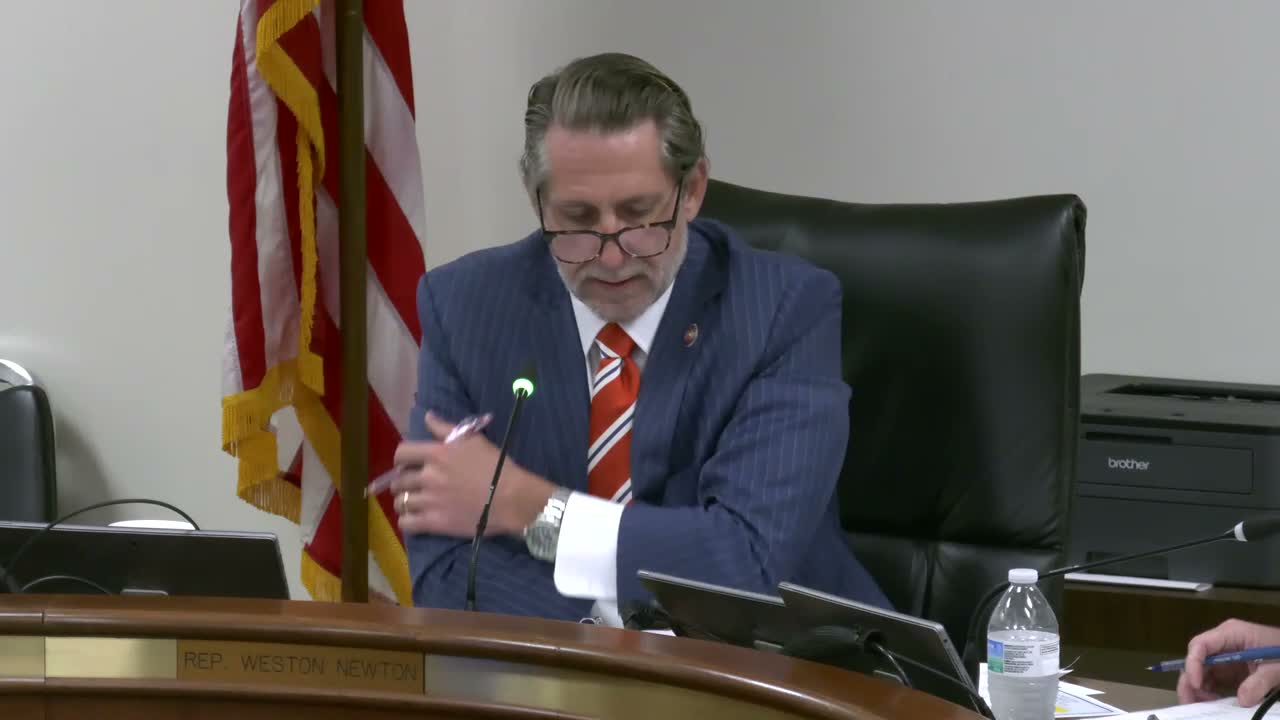
Summary
The subcommittee heard extensive public testimony and expert briefings on H4641, a proposal to place kratom on the state controlled‑substances schedule; witnesses were divided, with medical and forensic experts urging restriction of potent extracts and some users and trade advocates warning a total ban would harm patients who use botanical kratom.
The House General Laws Subcommittee spent the remainder of its session hearing extended testimony on H4641, a bill that would add kratom to the state's Schedule I list and thereby prohibit its legal sale in South Carolina.
Sponsor Representative Don Chapman opened the topic by describing personal encounters and constituent reports of harm. He cited data from the South Carolina state unintentional drug overdose reporting system and said, "based on the data from South Carolina state unintentional drug overdose reporting system from 2021 to 2023, 168 people were deemed, the cause of death was this substance." He urged the committee to act quickly to protect public health.
Testimony showed two broad themes. Medical and forensic witnesses described opioid‑like effects and growing clinical cases related to both traditional botanical kratom and more potent manufactured derivatives. Dr. David Schafer, a board‑certified emergency physician and medical toxicologist with Prisma Health, told the subcommittee that botanical kratom and synthetic 7‑hydroxymitragynine both bind mu‑opioid receptors, cause dependence and withdrawal, and that poison center calls in South Carolina increased substantially in recent years. "Both products have caused death, addiction, withdrawal, and other complications," he said.
Dr. Demi Garvin, director of forensic services at Forensic Science Network, explained metabolic pathways and warned that 7‑hydroxymitragynine and downstream metabolites can be many times more potent than the parent compound and produce respiratory depression; she also noted emerging concerns about cardiotoxicity.
Other testimony urged nuance rather than an outright consumer‑product ban. David James and Wes Roberts described long‑term, therapeutic use of natural kratom powder and recommended targeting extracts, not traditional botanical products. Sheldon Bradshaw, identifying himself as an FDA regulatory attorney representing Botanics for Better Health and Wellness, suggested amending South Carolina's Kratom Consumer Protection Act to schedule 7‑hydroxymitragynine while preserving regulation of botanical kratom.
Community recovery and treatment representatives described rising local harms, including pediatric incidents and frequent contacts with support services. Nancy Steadman Shipman of Wake Up Carolina said communities in the tri‑county area were seeing daily impacts and emergency interventions, including naloxone use.
The subcommittee did not finish the sign‑up list and said it would reconvene to continue consideration of H4641. Committee members asked for written materials and public witnesses were encouraged to file testimony by email to the chairman.