Get Full Government Meeting Transcripts, Videos, & Alerts Forever!
Get email alerts on the Summer School topic
No spam. Unsubscribe anytime.
District reports more than 500 summer-school enrollments, plans to centralize elementary program to cut costs
Summary
Summer school administrators told the board that the 2024 program served 500+ high-school enrollments with an 87% course completion rate and an elementary summer-reading program that invited 274 students (124 attended); staff reported total program costs of about $212,000–$213,000 and recommended centralizing elementary programming to reduce transportation and nursing costs.
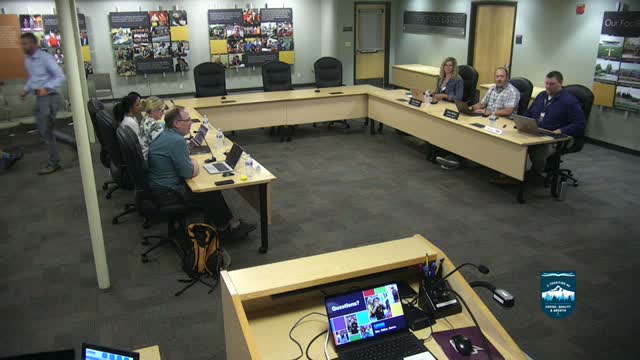
At the Sept. 9 Camas School District workshop, summer school administrators presented program goals, enrollment results and a detailed budget review for 2024, and discussed next-year planning to improve access while containing costs.
Evan Lustig, summer school administrator and third-grade teacher at Woodburn Elementary, said the elementary program focused on literacy and social-emotional learning and invited students who scored "well below" on midyear Amplify/MCLASS screenings. He reported 274 students qualified for elementary invitations; 159 confirmed and 124 ultimately attended. "That 124 number, I felt the best about," Evan said, noting staffing constraints limited how many invited students the program could accommodate.
On the funding side, presenters said the district no longer received an ALE grant that previously supported summer school. This year revenue came largely from high-school tuition (original-credit $200/credit; recovery $150) plus district support. Evan and staff listed total program costs at roughly $212,000–$213,000; they said the district covered roughly half of that for elementary services and high-school tuition generated significant revenue (about $102,000 reported for high-school tuition).
Julie (high-school coordinator) and Evan outlined high-school operations: more than 500 students enrolled districtwide, including multilingual supports and flexible transportation; staff reported a 7-point improvement from the previous year with an 87% course completion rate. Julie described a multilingual Washington State history class (21 students) that achieved a 100% completion rate after targeted in-person supports and bilingual instructional help.
Staff highlighted program logistics that drove costs: elementary transportation (~$33,000), additional nursing coverage needed for multiple sites (~$10,000), and printing/supplies. To reduce costs and improve efficiency, Evan proposed housing elementary summer programming at Discovery next year to cut food and transportation expenses and reduce the need for multiple nurses and coordinators.
Administrators also discussed operational issues raised by board members: earlier invitations and teacher communication to increase enrollment, centralizing sites, tuition and scholarship policies (staff said scholarships were available and staff vetted families to avoid charging those who qualified for waivers), and the district’s AI/plagiarism challenge. On academic integrity, staff said detection tools remain imperfect and described a district AI committee and interim classroom-level practices such as in-person finals, Google Doc histories and teacher interviews around students' work.
Board members asked for historical cost trends and enrollment strategies; staff offered to provide additional data and will continue refining plans to expand access while controlling budget impact. No formal board action was taken during the review.