Get Full Government Meeting Transcripts, Videos, & Alerts Forever!
Get email alerts on the K12 Budget topic
No spam. Unsubscribe anytime.
Camas School District projects $6.7M shortfall; board asked to approve using reserves while pressing state for fixes
Summary
District finance staff told the school board the 2024–25 general-fund budget expects a planned use of about $6.7 million in fund balance to avoid program cuts, emphasizing reliance on local levy and urging legislative changes for transportation, special education and nonpersonnel costs.
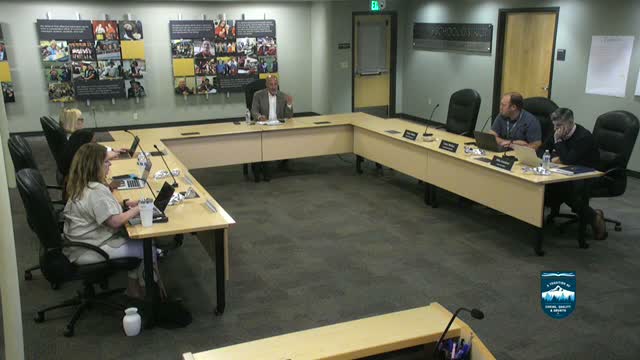
Jason, the district’s financial officer, told the Camas School District board at a June 10 workshop that the preliminary general-fund budget for 2024–25 anticipates a planned use of about $6.7 million in fund balance to preserve student programming.
The request came with a caution: Jason said the budget assumes $124 million in revenues against $131 million in expenditures and that the district will need to draw on reserves to balance the year. He asked the board to confirm that they are comfortable approving a budget that uses fund balance to cover the gap while staff continues to pursue other options.
Why it matters: Using reserves can buy the district time to avoid immediate staffing or program cuts, but it reduces the district’s financial cushion. Jason said the district is targeting an ending reserve near 4.5–5% — below an earlier target of about 8% — and warned that such a low level raises cash-flow and solvency risk during lean months.
Budget details and timing: Jason said the district budgets five funds in total (general, capital projects, ASB, transportation vehicles and one other) and that the board’s role is to set spending levels for those funds. He explained the district includes a 2% capacity buffer on both revenue and expenditure sides to avoid skewing projections and to have flexibility for unexpected grants or costs. The district plans to post its preliminary budget by July 10 with a public hearing and adoption targeted for the August board meeting.
State funding and limits: The presentation reviewed several state actions from the recent legislative session. Jason said the legislature provided roughly $350,000 in additional general-purpose revenue this year and enacted targeted enhancements for paraeducator/support staff allocations, MSOC (nonpersonnel costs) adjustments and changes to special-education formulas. He cautioned that some items — notably the MSOC adjustment and an increase in a special-education enrollment cap — delivered only modest relief for Camas or did not benefit the district because of how local percentages interact with the state formula.
Board members pressed staff on timing and impact. Jason explained that many state dollars are paid at year-end (May/June) and effectively carry into the next fiscal year. He also noted the state’s IPD inflation adjuster was set at 3.7% (below an earlier estimate of 3.9%), which reduces modeled revenue and requires modest downward adjustments to earlier projections.
Local reliance and the student-cost gap: Jason said the district receives roughly $18,000 per student in revenue but spends about $19,000 per student, producing a per-student gap of approximately $722. That shortfall compounds across thousands of students and, according to board discussion, is a primary reason the district must rely on levy funds and reserves to maintain programming.
Next steps: Jason asked the board for confirmation that staff should proceed with a budget that anticipates using fund balance and to continue close monitoring of monthly cash flow. Board members and district leaders also emphasized continued legislative advocacy to seek structural fixes for transportation, special education and MSOC funding.
The board recessed into an executive session on personnel and later adjourned; no formal vote on the budget was recorded at the workshop.