Get Full Government Meeting Transcripts, Videos, & Alerts Forever!
Edmond Council approves up-to-$17M incentive for Legacy at Covell after hours of public comment
Summary
After extended public comment and questions about impacts on local small businesses, the Edmond City Council approved a performance-based economic development incentive of up to $17 million from Edmond Electric reserves for the Legacy at Covell retail complex. Council emphasized conditions tying payments to tenant openings.
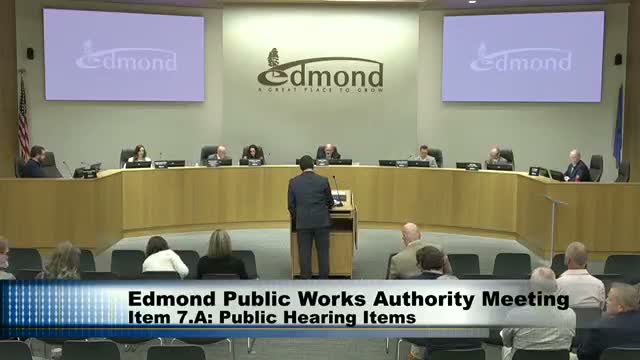
The Edmond City Council on Wednesday approved a development incentive package not to exceed $17 million to help finance the Legacy at Covell retail complex at Covell and I‑35.
Assistant City Manager Randy Enns and Planner Lena Dozier told the council the incentive would be funded from Edmond Electric reserves and structured to pay the developer only when priority anchor tenants — identified as Dick’s Sporting Goods and Whole Foods — meet occupancy and certificate-of-occupancy conditions. Dozier said the incentive is divided among nine targeted retailers and that payments are…
Already have an account? Log in
Subscribe to keep reading
Unlock the rest of this article — and every article on Citizen Portal.
- Unlimited articles
- AI-powered breakdowns of topics, speakers, decisions, and budgets
- Instant alerts when your location has a new meeting
- Follow topics and more locations
- 1,000 AI Insights / month, plus AI Chat