Get Full Government Meeting Transcripts, Videos, & Alerts Forever!
Get email alerts on the Strategic Plan Monitoring topic
No spam. Unsubscribe anytime.
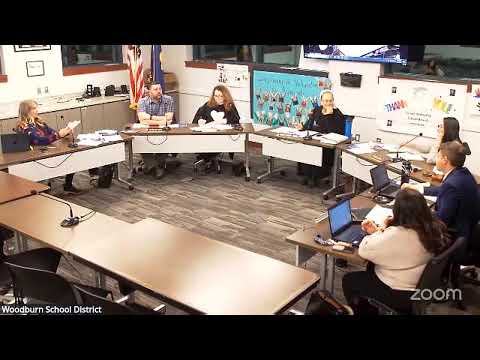
Woodburn SD 103 monitoring session: district reports gains in reading growth, SEL, culture and attendance
Summary
District staff presented winter-quarter monitoring data showing reading-growth pockets (32% elementary meeting an aggressive growth target; high school ninth-grade targeted groups at 47.9%), SEL improvements on the DESSA, culture/climate gains in YouthTruth measures, and attendance increases with district-level interventions; staff outlined targeted interventions and next steps.
Woodburn School District staff presented a monitoring-session update on progress toward strategic-plan goals across reading, social-emotional learning, school culture and attendance.
Reading: Peter McDougall, assistant principal at Lincoln Elementary, said 32% of elementary students met the district’s aggressive MAP growth target and described instructional responses including a 90‑minute literacy block, a 30‑minute unit focused on foundational skills, and small‑group instruction with observation and feedback. At the middle-school level, leaders described after‑school interventions and advisory‑based supports (UFLY, Rewards, DreamBox). At the high school, Susan Ash (principal) introduced Mister Singh, who reported that 47.9% of a targeted ninth‑grade subgroup met the rigorous 0.5 growth goal and that the subgroup’s average growth index was 1.37. Presenters emphasized that the growth metric reflects change on MAP between fall and winter and that the district continues to refine measurement and target the students most at risk.
SEL and culture: Staff reported reductions in the DESSA 'needs of instruction' category districtwide (elementary fall-to-winter change from 9% to 6% at one level cited) and outlined tiered supports, small-group counseling, calming corners and classroom SEL lessons aligned to Harmony curriculum. YouthTruth culture/climate results showed improved positive-culture percentages among students and staff; staff credited PBIS, assemblies, staff wellness initiatives and student‑voice opportunities.
Attendance and on-track measures: The district said it is on track toward a 59% attendance goal and reported a districtwide attendance rate of 63%. Elementary 'regular attenders' rose from about 61% to 67% in the presenter’s example; middle school regular attendance improved from 56% to 62%. District attendance teams use tiered responses (letters, phone calls, empathy interviews, individualized attendance contracts, incentives, and Saturday school). Ninth‑grade on‑track rates after semester one were reported at 80.1% (up 8.7 percentage points over last year); the senior cohort on‑track rate rose to 94% from 84% the previous year.
Next steps: Staff committed to continue data disaggregation (for example, by program and subgroup), to report results of new practices such as the district's cell‑phone policy, and to present results at future board meetings. Board members asked for follow-up breakdowns for the survey and attendance data and for periodic updates on enforcement and effects of new policies.