Lifetime Citizen Portal Access — AI Briefings, Alerts & Unlimited Follows
Hospitals tell House committee HB 5 89 would block insurers from unilaterally changing contracts
Loading...
Summary
Hospital representatives testified that commercial insurers often post payment‑policy changes after contracts are signed, lowering reimbursement or imposing penalties; HB 5 89 would make such amendments effective only with written agreement of both parties, supporters said, and witnesses gave examples of operational and reimbursement harm to rural hospitals.
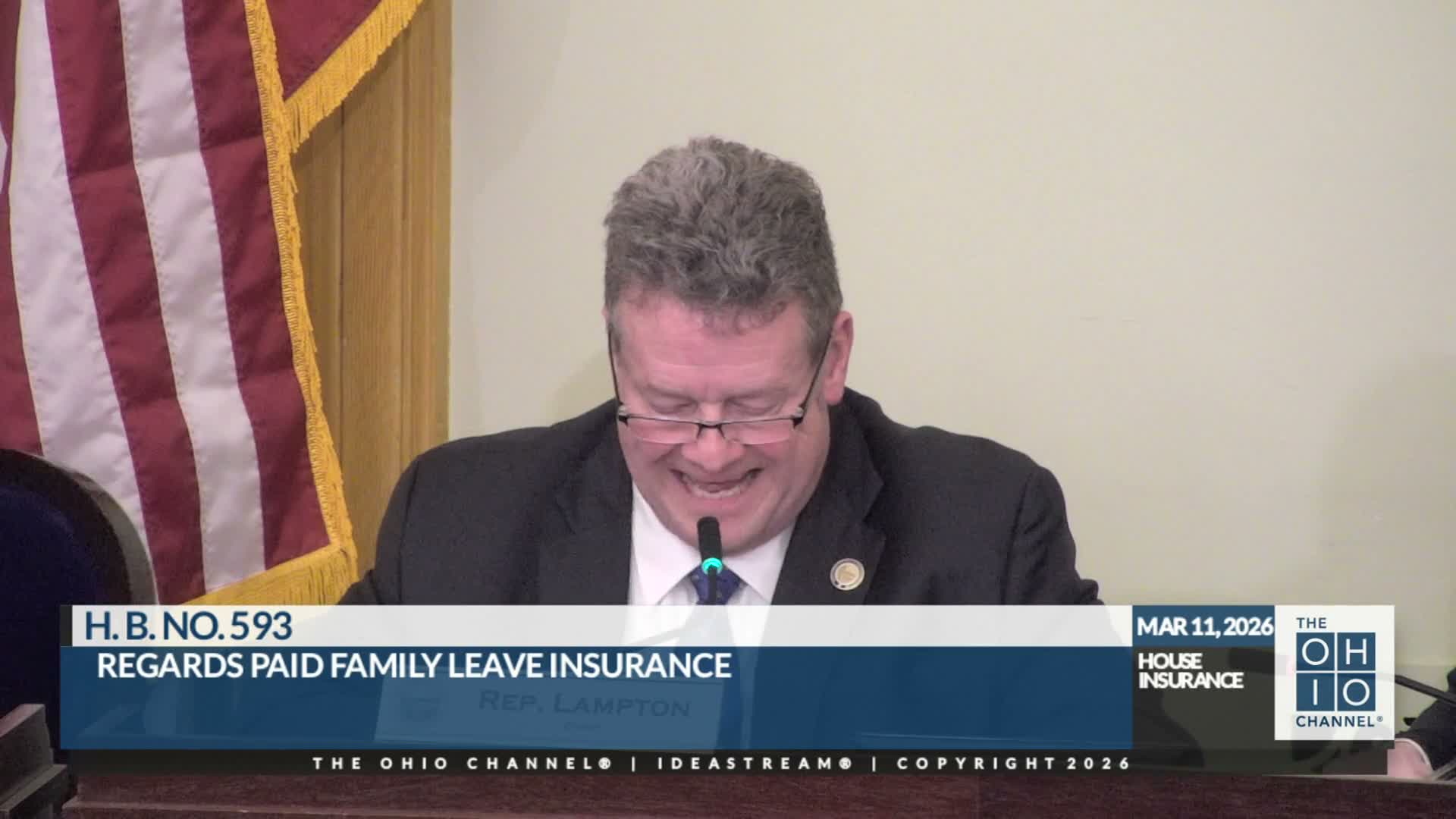
The House Insurance Committee heard proponent testimony on House Bill 5 89, which supporters said would bar insurance companies from enforcing material contract amendments or payment‑policy changes unless both the insurer and provider agree in writing.
Kara Plummer, chief financial officer of Southern Ohio Medical Center, described frequent, unilateral payer policy changes that she said can appear on insurer websites and materially alter reimbursement. She told the committee those changes force hospitals into a choice between accepting reduced payment or terminating an in‑network contract — a step she called impractical for rural hospitals. Plummer said HB 5 89 “restores that basic contracting principle” and would prevent insurers from making amendments effective without mutual written consent.
Jennifer Rantley, vice president for managed care and reimbursement at Premier Health and speaking also for the Ohio Hospital Association, expanded on the frequency and scale of such policy shifts. Rantley said payer policies can be updated monthly or more often and function as de facto contract amendments; she told members a single inpatient‑status policy change implemented January 1 had the potential to reduce her system’s net reimbursement by about $4,000,000 in one year.
Committee members asked whether other contracting sectors allow unilateral changes and pressed witnesses for quantification of financial impacts and typical contract lengths; witnesses said contracts are usually multi‑year, often three years, and that insurers’ post‑hoc policy changes are unusual compared with other industries. No formal action was taken on HB 5 89 at this hearing.