Get Full Government Meeting Transcripts, Videos, & Alerts Forever!
Substitute for bill on app age verification advances; sponsors propose age bands, OS‑level checks and parental control of 'age signals'
Summary
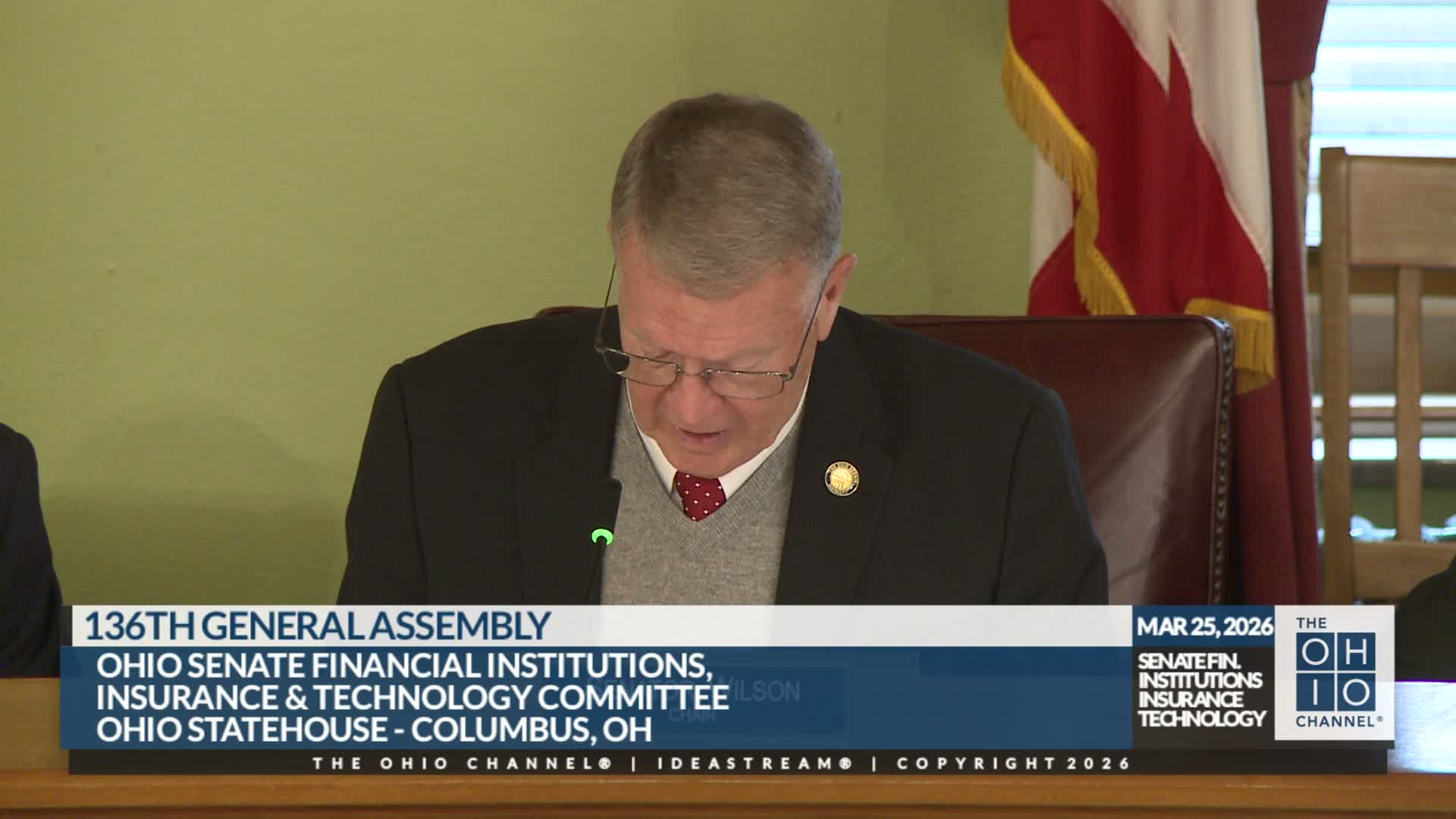
The committee accepted substitute Bill 954‑7 as the working document; the substitute uses age bands (13–15, 16–17, 18+), requires operating‑system‑level age verification rather than app‑store checks, allows developers to supply a developer age signal when information conflicts, and requires parental consent to share age signals, sponsors said.
Senator Patton moved to accept substitute Bill 954‑7 as the working document and described the substitute's core changes.
The substitute replaces a single 'by‑18' age category with multiple age bands (sponsor example phrased the bands as at least 13 and 16; at least 16 and 18; and 18 and over)…
Already have an account? Log in
Subscribe to keep reading
Unlock the rest of this article — and every article on Citizen Portal.
- Unlimited articles
- AI-powered breakdowns of topics, speakers, decisions, and budgets
- Instant alerts when your location has a new meeting
- Follow topics and more locations
- 1,000 AI Insights / month, plus AI Chat