Get Full Government Meeting Transcripts, Videos, & Alerts Forever!
Nonprofit contractors tell oversight committee months‑long DHHS contract delays left programs unpaid and services constrained
Summary
Several nonprofit public‑health and prevention contractors told the Government Oversight Committee that DHHS contract encumbrance delays and cumbersome amendment processes left organizations unpaid for months, hindered hiring and service delivery, and created end‑of‑year underspending that jeopardizes future funding levels; OPAGA and members discussed directing a formal review.
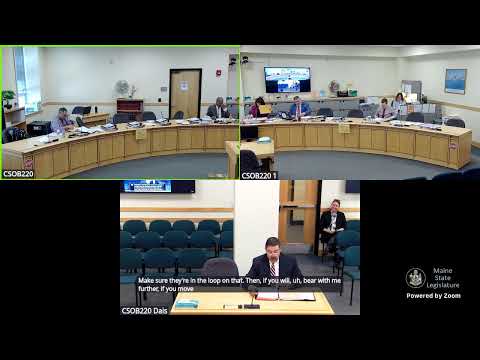
Nonprofit public‑health coalitions and community providers told the Government Oversight Committee that lengthy delays in DHHS contract encumbrance and amendment processing have disrupted service delivery across the state.
Renee Page, executive director of Healthy Communities of the Capital Area, described a contract that covered multiple funding streams (state, federal, and ARPA) and said a sequence of amendments and a federal ARPA funding interruption led to repeated re‑encumbrances. She said the net result was the contract remained unencumbered…
Already have an account? Log in
Subscribe to keep reading
Unlock the rest of this article — and every article on Citizen Portal.
- Unlimited articles
- AI-powered breakdowns of topics, speakers, decisions, and budgets
- Instant alerts when your location has a new meeting
- Follow topics and more locations
- 1,000 AI Insights / month, plus AI Chat