
State auditor and DAFS spar over 2024 single‑audit procurement findings; controller argues sampling and context differ
Get AI-powered insights, summaries, and transcripts
Sign Up Free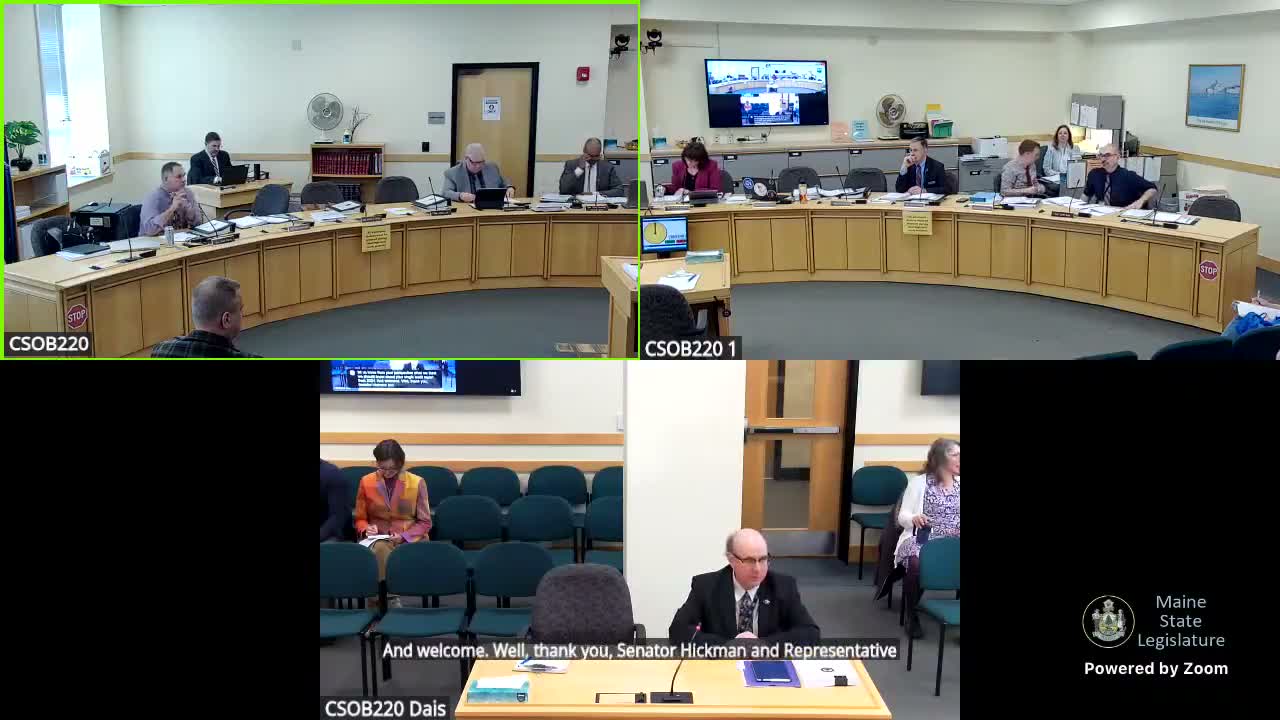
Summary
The State Auditor presented procurement‑related findings from the 2024 single audit; DAFS leadership disputed parts of the conclusions, said the agency engaged with auditors and cited a range of purchases (requisitions, delivery orders, grants) that affect how sampling projects to a $2.1 billion population. The committee heard about p‑card fraud and corrective controls as an example of risk.
State Auditor Matt Dunlap presented the committee with the Office of the State Auditor’s 2024 single audit observations on procurement and contract management, and DAFS Commissioner Elaine Clark and State Controller Doug Cottonwier disputed parts of the report during a lengthy committee exchange.
Auditor Dunlap emphasized the auditor’s role in identifying internal control weaknesses and measuring whether processes provide reasonable assurance that federal funds are used in compliance with applicable rules. He cautioned that internal control weaknesses increase the risk of question costs or federal disallowances and that auditors must “point out where things are not lined up.”
Controller Cottonwier and Commissioner Clark said some audit conclusions relied on sampling and terminology that, in their view, mixed distinct document types (requisitions, delivery orders, buyer purchase orders, and formal contracts). Cottonwier noted the $2.1 billion population cited in the finding included many requisitions and delivery orders that do not require competitive bidding and that one $5 million grant in the 45‑contract sample skewed projections. He urged the committee to account for statutory exceptions such as formula grants or emergency procurements.
Committee members asked about risks raised in the audit, the degree to which DAFS engaged the auditor in follow‑up meetings and whether communications broke down. Auditor Dunlap and the controller acknowledged missed or inconsistent follow‑up but said there had been subsequent exchanges and that resolution sometimes requires federal review and time. Dunlap noted the office’s inability to compel changes but said findings are intended to inform agencies and federal partners.
The hearing also reviewed a separate procurement‑card fraud prosecution that had followed audit work. DAFS described corrective actions taken in the wake of the case: reissuing p‑cards under new provider contracts, re‑setting individual limits, requiring receipts and receiving reports for payments, instituting inventory verification and annual stock checks, and shutting off cards pending compliance. The controller said those steps were intended to strengthen preventive and detective controls.
Committee members pressed both sides on practical next steps. Auditor Dunlap said repeated findings show areas worth oversight attention; the controller and commissioner said they have implemented changes, requested more context in findings, and urged clearer, consolidated procurement guidance so agencies and vendors know which rules apply. The committee agreed to continue examining the single‑audit results and to schedule additional follow‑up with DAFS and the auditor.