Get Full Government Meeting Transcripts, Videos, & Alerts Forever!
Get email alerts on the Tax Policy Religious Freedom topic
No spam. Unsubscribe anytime.
Sponsors urge Congress to repeal Johnson Amendment in HCR9 hearing; members raise dark‑money and scope concerns
Summary
Representatives Klick and Jonathan Newman presented HCR9 urging repeal of the 1954 Johnson Amendment; sponsors said the amendment chills religious speech, while members asked whether repeal would expand political spending by churches or affect nonreligious nonprofits.
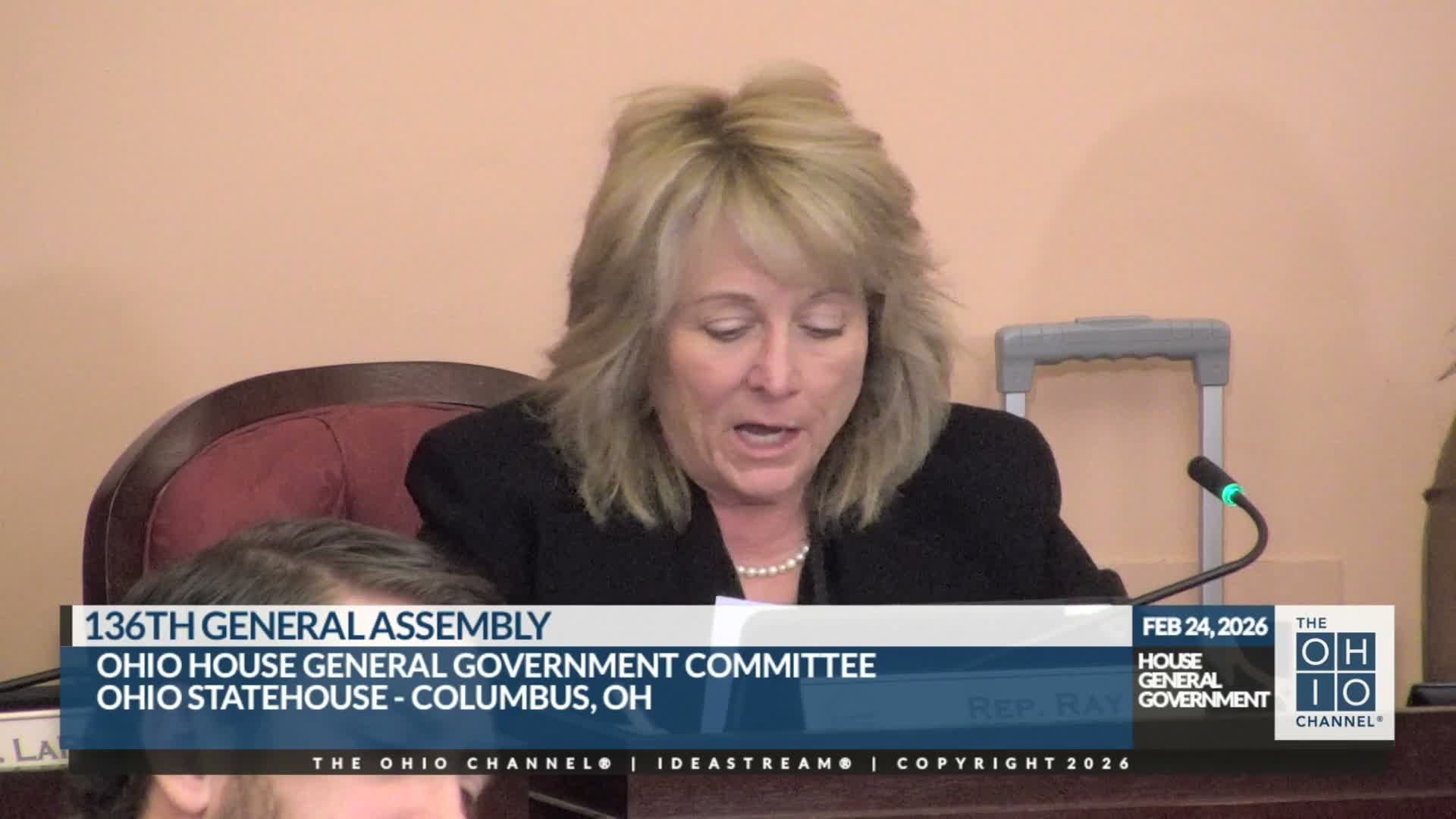
Sponsors of House Concurrent Resolution 9 told the House General Government Committee the resolution urges Congress to repeal the Johnson Amendment, which they described as a constitutional problem that chills religious speech and creates fear among clergy.
Representative Klick framed the measure as restoring "full free speech protections to churches, synagogues, mosques, and other religious institutions," saying the Johnson Amendment was "a last minute addition slipped into the tax code" in 1954 and that many clergy self-censor out of fear of losing tax-exempt status. Representative Jonathan Newman, a pastor, recounted pastoral experience and said clergy and church boards commonly fear enforcement even if the IRS rarely revokes tax-exempt status.
Members pressed sponsors on scope and consequences. Representative Brent asked how repeal would affect dark-money and campaign finance; sponsors pointed to existing campaign-contribution laws and said safeguards exist in proposed federal legislation. Representative Bailey asked if the repeal would affect nonreligious nonprofits; sponsors said the congressional bills at issue aim primarily at religious institutions but said they would follow up with clarification. Representative Sundinford asked whether the problem was largely hypothetical given limited IRS enforcement; sponsors said the fear itself is consequential because it leads to self-censorship and litigation risk.
The committee took testimony and questioned sponsors; Chair Wray closed the first hearing on HCR9.