
Senate committee approves limits on agency exposure in attorney general enforcement suits; bill sent to judiciary
Get AI-powered insights, summaries, and transcripts
Sign Up Free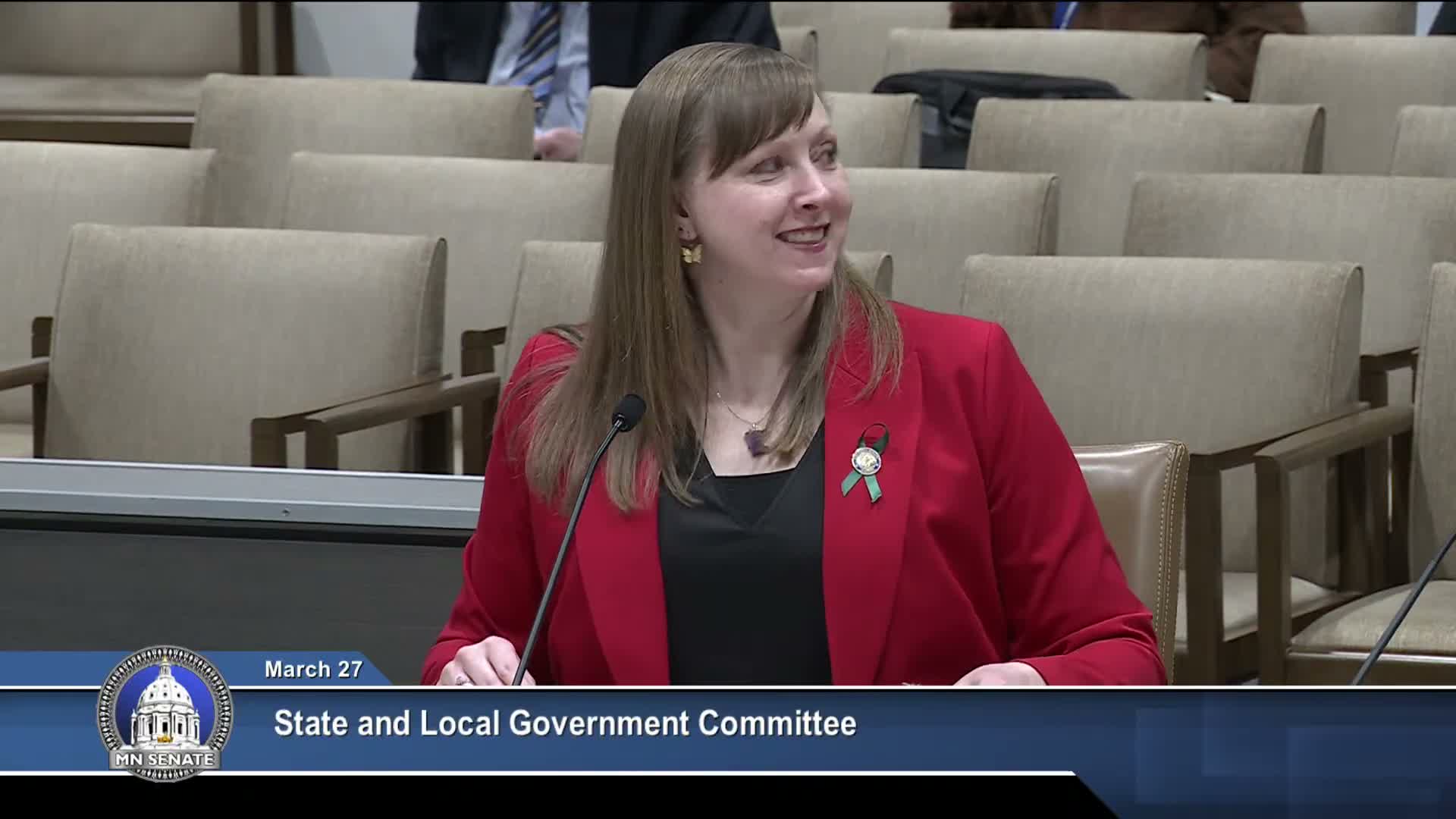
Summary
Lawmakers advanced a bill clarifying that when the attorney general brings a civil enforcement action on behalf of the state, other state agencies are not automatically treated as parties for discovery purposes. Proponents cited the multi-state Meta litigation that produced massive discovery burdens; opponents warned about restricting access to government information.
A Senate committee on Tuesday voted to send to the judiciary committee a bill intended to narrow the circumstances under which state agencies are treated as parties to civil enforcement litigation brought by the attorney general.
Senate File 47 69, sponsored by Senator Hemmingsen Yeager, would add a statutory clarification that when the attorney general institutes a civil enforcement action on behalf of the people of Minnesota, state agencies are not automatically deemed parties and therefore are not by default subject to the full range of party discovery requests. Proponents said the change preserves agency resources while keeping ordinary third-party discovery avenues intact.
Chris McNulty, general counsel for Minnesota Management and Budget, described the workload agencies faced during coordinated litigation against Meta: "Meta's proposed search terms produced almost 30,000 hits for MMB records," McNulty said, and later staff had to review thousands to hundreds of thousands of documents across agencies (he cited DHS reviewing about 662,000 documents and MDE reviewing about 454,000). McNulty told the committee the measure would preserve agency time and taxpayer dollars by requiring a narrower process for agency records in such actions.
Senator Hemmingsen Yeager said the bill is modeled on statutes in other states and is aimed at making discovery requests proportional and focused. "The sole purpose of this bill is simply to preserve state agency resources and taxpayer dollars by limiting their exposure to overly broad discovery requests when they are not the party to the lawsuit," said a representative from Minnesota Management and Budget.
Opponents, including Senator Drazkowski and others, said they worry the change could make it harder for individuals, small businesses or litigants to obtain needed information from government and could be perceived as restricting transparency. The committee adopted a clarifying oral amendment inserted by Senator Drazkowski ("by the party adverse to the state") and voted to recommend the bill to judiciary.
Supporters asked that the committee and subsequent reviewers ensure ordinary third-party discovery (subpoenas, interrogatories) remains available; the bill's sponsors said records in the attorney general's possession for litigation would remain discoverable.
The committee recommended Senate File 47 69, as amended, be passed and referred to the judiciary committee for further consideration.