Lifetime Citizen Portal Access — AI Briefings, Alerts & Unlimited Follows
Advocates tell panel SB291 would shorten and tailor community supervision terms
Loading...
Summary
Proponents for SB291 told the committee the bill caps misdemeanor/felony community control terms, provides judicial flexibility and promotes research‑based supervision terms to reduce technical‑violation prison admissions and improve public safety outcomes.
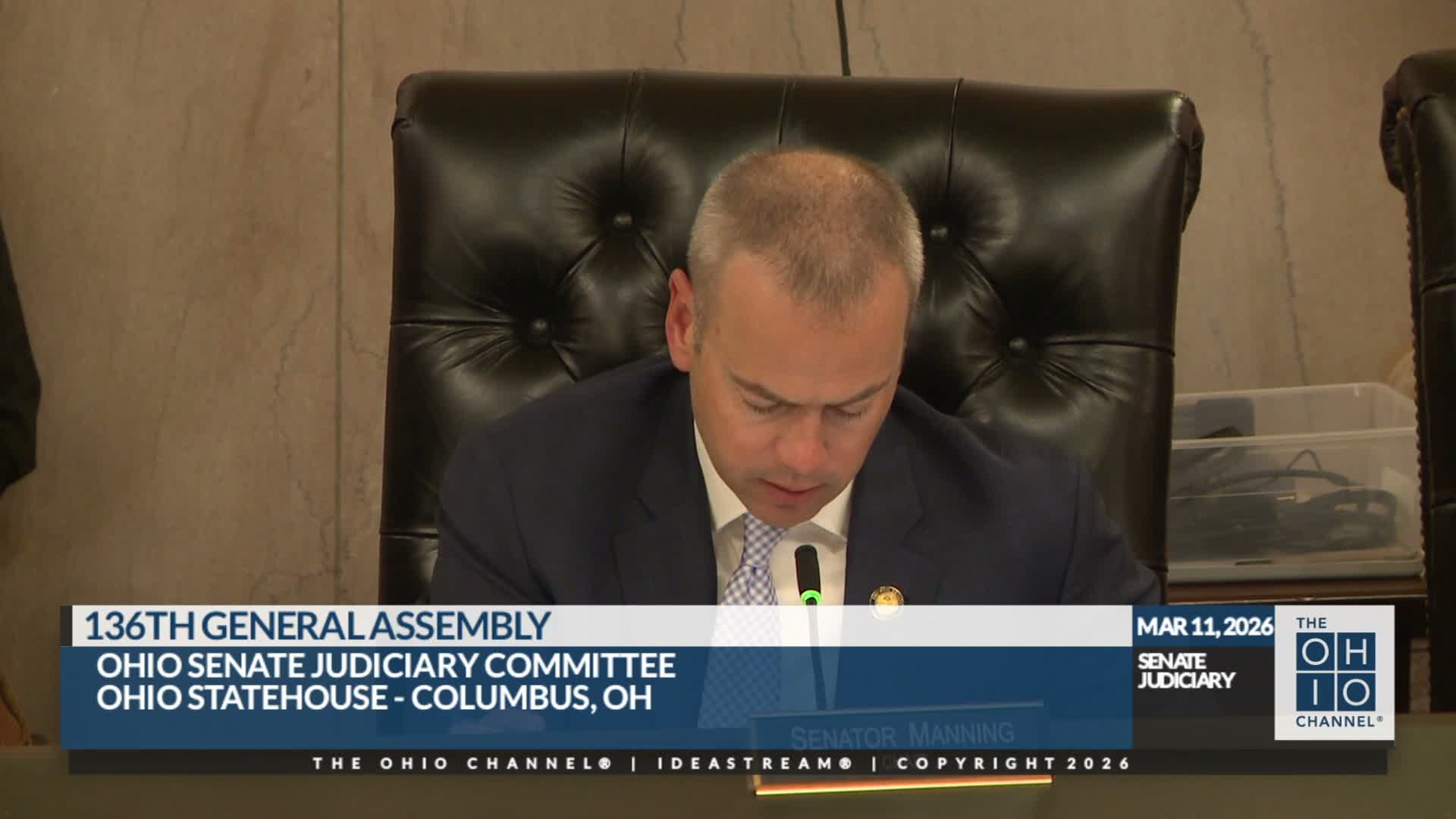
The Senate Judiciary Committee heard multiple proponent witnesses on Senate Bill 291, a measure sponsors described as research‑based reform of community supervision (probation) that would set initial term caps and create pathways for judicial review to encourage early termination for compliant individuals.
Leah Sikala of the Alliance for Safety and Justice said Ohio relies more heavily than other states on lengthy community supervision terms, which drives technical‑violation prison admissions. Sikala said research supports focused 12–18 month intervention windows and that SB291 would set an initial cap (sponsors described a 3‑year cap for misdemeanors and lower‑level felonies) while preserving judicial authority to extend terms when necessary. Other witnesses — including Trish Perry of Ohio CAN, Adam Pipkin of Unify.US, Ali Alfonsetti of Prison Fellowship and Vicki Miller of VMC Consulting — described daily experience working with people under supervision, argued long and inflexible terms can disrupt recovery and employment, and said the bill would better allocate supervision resources.
Witnesses supplied comparative evidence from Georgia and elsewhere, discussed reduced recidivism following similar reforms and said SB291 creates targeted responses to technical violations including short jail stays on nights/weekends or other alternative sanctions. Committee members asked data and implementation questions; sponsors offered to provide studies and more detailed evidence as requested.
The committee recorded testimony from multiple sponsors and organizations as proponents and listed written proponent testimony from several advocacy groups; no committee vote occurred at this hearing.