Get Full Government Meeting Transcripts, Videos, & Alerts Forever!
Get email alerts on the Hb102 topic
No spam. Unsubscribe anytime.
Sponsors urge expanding residency restrictions to keep convicted offenders away from their victims
Summary
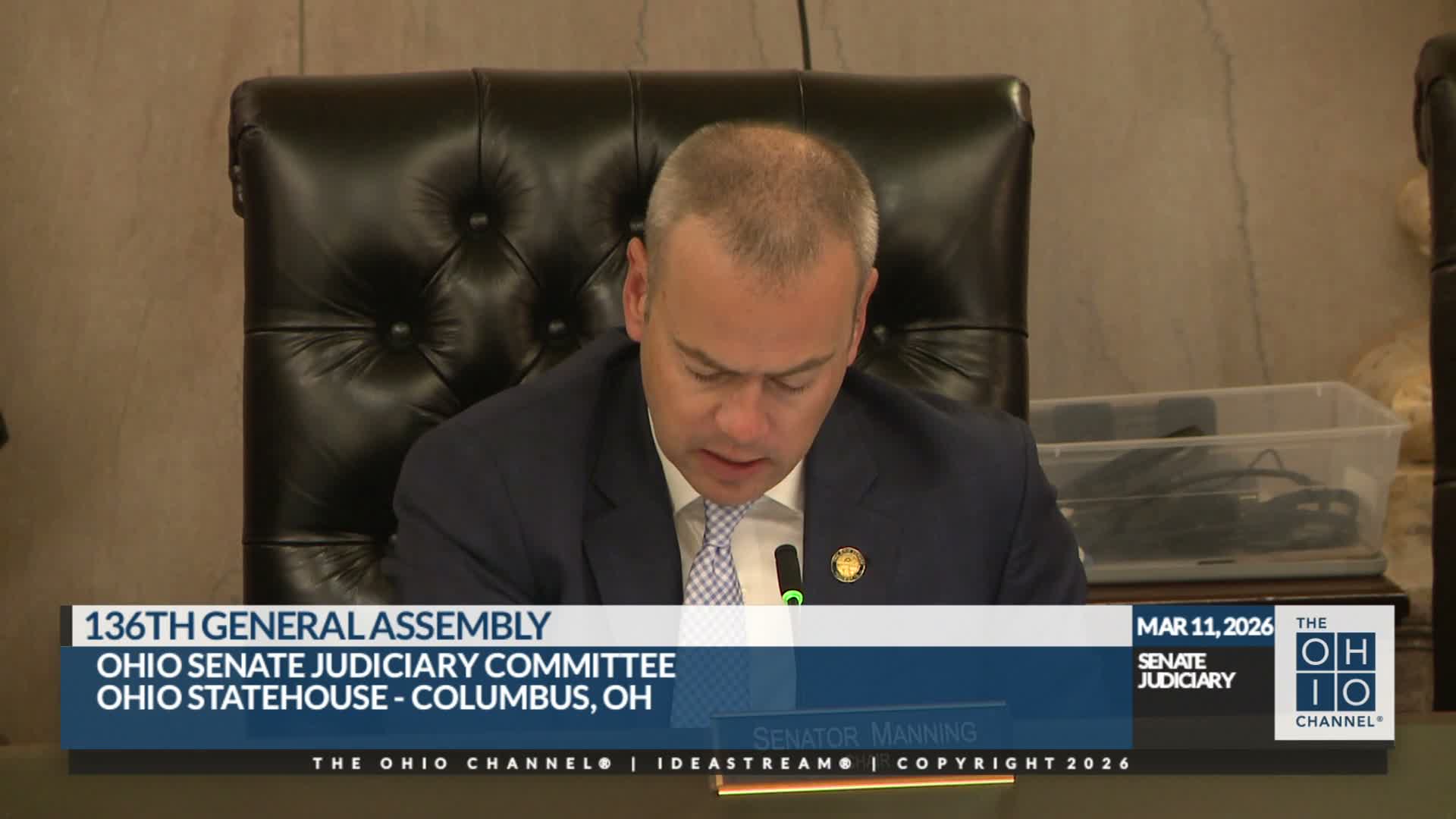
Representatives Klopfenstein and Williams told the committee House Bill 102 would bar registered sex offenders from residing within 2,000 feet of their victims and loitering within 1,000 feet, with grandfathering and landlord protections; members raised housing, retroactivity and enforcement concerns.
House Bill 102 drew extended discussion during a first hearing as sponsors proposed expanding residency and loitering restrictions for registered sex offenders.
Representative Klopfenstein told the committee the bill responds to a constituent whose six‑year‑old daughter was abused by a neighbor who remained legally allowed to live near the victim. HB102 would expand current restrictions so convicted sex offenders could not reside within 2,000 feet of their victim or loiter within 1,000 feet of a victim's residence or place of regular activity. Representative Williams said the change closes what sponsors described as a loophole that can re‑traumatize victims.
Committee members raised a series of operational concerns: Where did the 2,000‑foot metric come from? How would the rule affect housing availability and homelessness for offenders, given registration and address requirements? Would the law apply retroactively to offenders convicted before enactment? Sponsors said they drew the distance from other states' models, included a grandfathering clause for occupants who owned property prior to a victim moving nearby and proposed carve‑outs for reentry housing and landlords. They also noted judicial and prosecutorial discretion would be involved for enforcement and eviction remedies.
Vice Chair Reynolds and the ranking member asked that sponsors consider exceptions for licensed reentry programs and transitional housing so the residency restrictions do not make it impossible for offenders to find supervised housing. Sponsors said they would draft clarifying amendments and work with members.
The committee recorded this as the first hearing on HB102; sponsors invited further discussion on definitions, exceptions and reentry housing eligibility.