Lifetime Citizen Portal Access — AI Briefings, Alerts & Unlimited Follows
Sponsors say House Bill 132 would stiffen 'move over' penalties after fatal roadside incident
Loading...
Summary
Representative Craig and Representative Melanie Miller presented House Bill 132, a tiered ‘move over’ penalties proposal inspired by the death of Lt. Philip Weigel; the bill would escalate fines and possible license suspension and criminal charges for severe outcomes.
At a first hearing on House Bill 132 — described in testimony as "Philip Weigel's Law" — sponsors said the bill would expand Ohio’s move‑over law penalties by creating a tiered approach tied to repeat offenses and outcomes.
Representative Craig told the committee HB132 is inspired by the 2022 roadside death of Town and Country Fire Lieutenant Philip Weigel, who was struck while responding to a crash. Craig said the current penalty is limited to a $300 fine and does not distinguish repeat offenses or incidents resulting in serious injury or death. Representative Melanie Miller detailed the proposed penalties: first offense up to $300 (status quo); second or subsequent violation within one year up to $1,000; a violation resulting in injury up to $5,000 plus potential license suspension; and a violation resulting in death up to $10,000, possible license suspension and a charge of vehicular homicide.
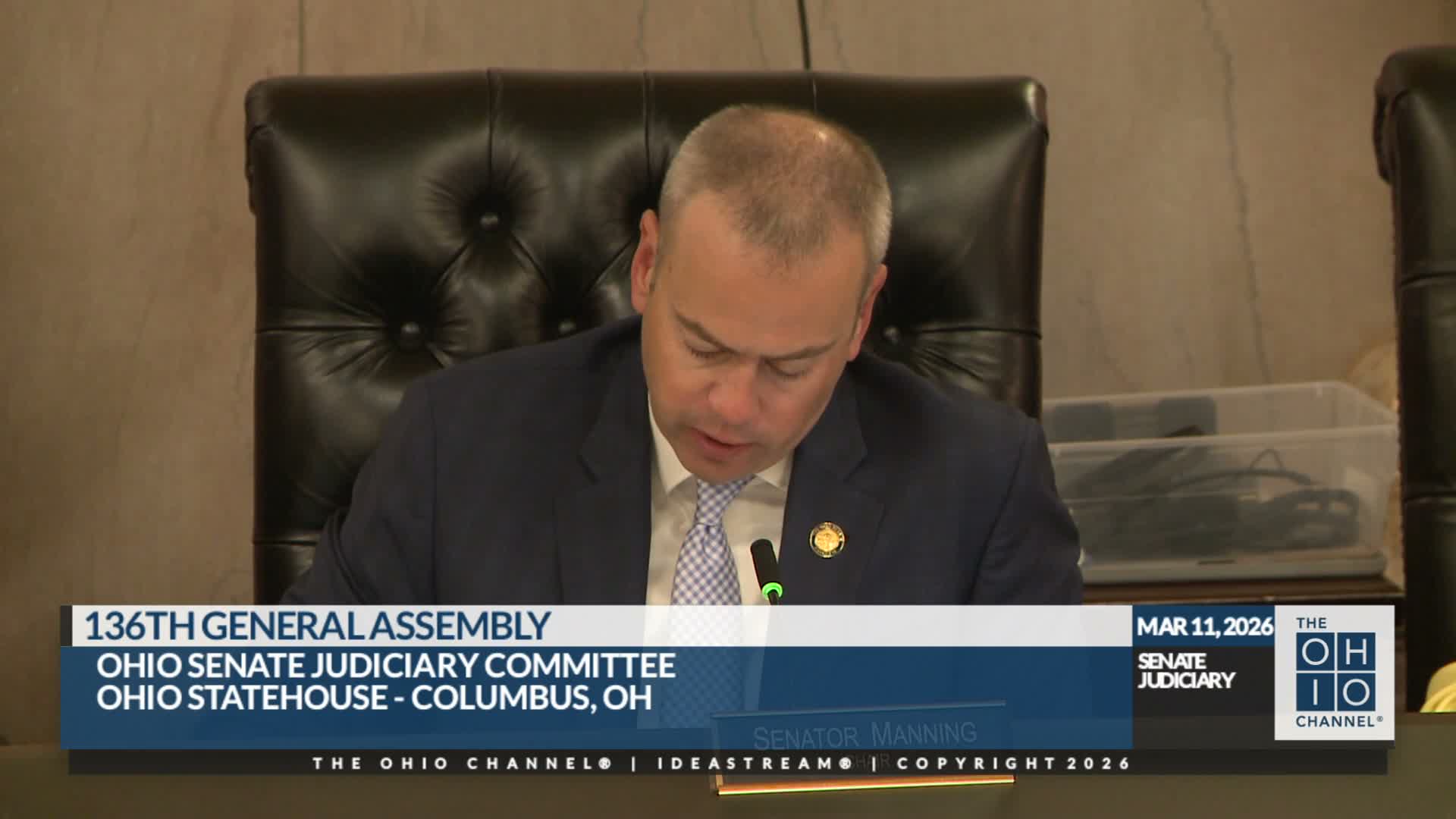
Committee members questioned the size and destination of the fines; the chair asked whether any portion of a maximum fine would be directed to a victim’s family. Representative Craig said current draft routes fines to the general fund but said sponsors were open to discussing restitution or a different allocation. Members also raised operational concerns about when an operator cannot move over safely (traffic, three‑lane highways) and who would make that determination; sponsors said the bill requires a concerted effort to slow below the posted speed limit if one cannot move over.
The committee recorded this as the first hearing on HB132; sponsors offered to work with members on technical clarifications and exceptions.