Get Full Government Meeting Transcripts, Videos, & Alerts Forever!
Get email alerts on the Licensure topic
No spam. Unsubscribe anytime.
Superintendent reports faster licensure processing and outlines staff, program priorities
Summary
Superintendent Kraft highlighted operational gains in licensure processing — about 184,868 licenses issued in the last year and one‑week turnaround for complete applications — and previewed changes to resident educator and licensure pathways to address teacher pipeline concerns.
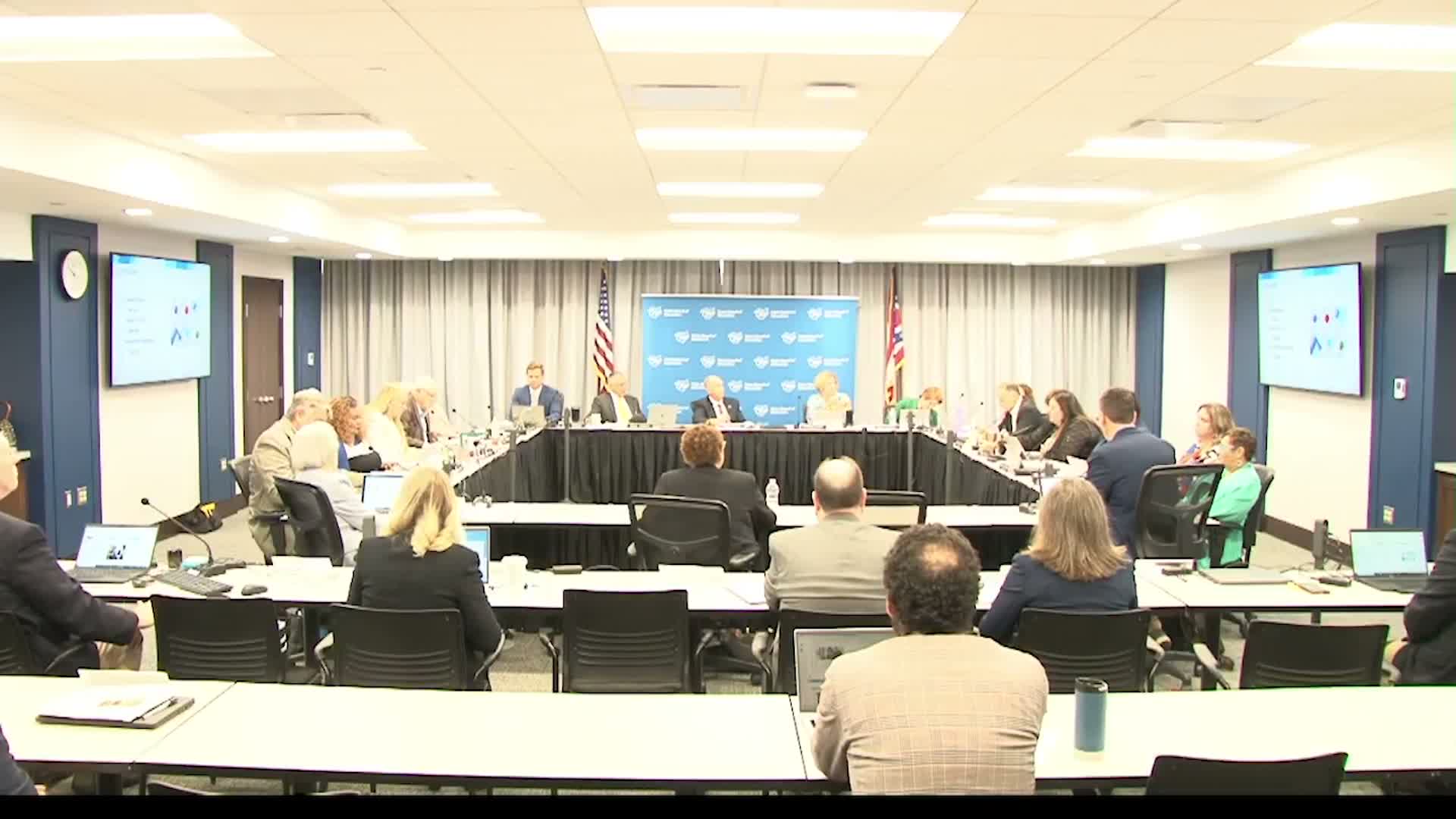
Superintendent Mike Kraft told the State Board of Education on the board’s September agenda that his office has made measurable efficiency gains in educator licensure and related services.
Kraft said the agency issued 184,868 licenses during the past year and handled roughly 221,639 application requests, and that for fully complete and compliant submissions the licensure team met a one‑week turnaround goal during the busiest months. “For a fully, complete package that otherwise did not trigger anything from professional conduct, they never went beyond 5 days,” Kraft said.
Why it matters: board members pressed for details about teacher supply and classroom readiness as the school year began. Kraft and staff described several steps intended to expand teacher pipelines — interim educator licenses, CTE pathways, and a pre‑service teacher permit — and said a new legislative data collection will give the state its first comprehensive snapshot of district vacancies next year.
Staff and program details: Yaneta, who led the licensure presentation, reported that the resident educator program currently serves 8,814 resident educators, 5,725 mentors and 2,000 coordinators, with 88 state trainers supporting the work. The office is revising the resident educator program and will present modifications to the board in an upcoming meeting.
Board members asked how the agency manages peak‑season pressure. Kraft said the team prioritizes applicants who are currently practicing so district classrooms are least disrupted and described IT work that streamlined uploads and applicant messaging. Member Lloyd noted that DEW will begin an annual vacancy data collection this year; Kraft said that snapshot should help reconcile anecdotal district reports with a statewide picture.
Next steps: the superintendent said the office will return with proposed resident educator changes and additional data at future board meetings and that he intends to keep pursuing operational targets for timeliness and case management.