Get Full Government Meeting Transcripts, Videos, & Alerts Forever!
Get email alerts on the Transportation topic
No spam. Unsubscribe anytime.
House debate pits transportation goals against climate tests in bill to vet mega‑highway projects
Summary
Delegates spent hours debating HB437, which would require greenhouse‑gas impact assessments for major highway capacity projects; supporters said it targets expensive expansions to reduce emissions and improve outcomes, while opponents warned it could function as a regulatory veto. Multiple amendment attempts failed and the bill was ordered printed for third reading.
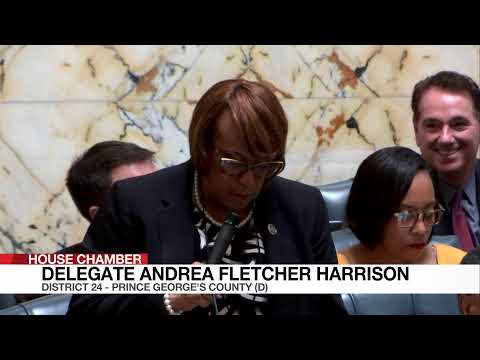
Annapolis — Lawmakers engaged in an extended floor fight over House Bill 437 on Feb. 27, a measure that would require the Maryland Department of Transportation (MDOT) to carry out greenhouse‑gas impact assessments for prospective major highway capacity projects and identify feasible mitigation options.
Sponsor and floor leader (floor leader) argued the bill is narrowly focused on “mega highway capacity expansion projects” and intended to produce better outcomes on congestion, safety and emissions. “We should be reducing congestion. We should be improving safety. We should be lowering costs for everyday Marylanders, and we should be reducing greenhouse gas emissions,” the floor leader said, framing the measure as a way to get a larger return on the state’s $22 billion Consolidated Transportation Program.
Opponents pushed back that earlier drafts of the bill read like a de facto veto on roadbuilding because they could force a project to be delayed or halted if net‑zero offsets could not be demonstrated. One critic said the bill “effectively creates a climate test veto on highway construction in Maryland” and stressed concerns about feasibility, cost and unintended delays to safety projects.
Several amendments were offered. A proposal to convert the bill’s offset requirement into an information/reporting requirement was debated on the floor and rejected in a roll‑call vote (the clerk recorded 98 votes in the negative). Other amendments sought exemptions for safety and emergency infrastructure and to limit the bill’s regulatory reach; those amendments also failed on recorded votes.
Sponsors said the bill is prospective, applying to future projects over a defined cost threshold, and stressed flexibility for MDOT to identify mitigation strategies without imposing large fiscal burdens. Opponents responded that tying major projects to climate outcomes risks delaying work on congested corridors and could raise costs for taxpayers.
After the debate and the failed amendment votes, the presiding officer ordered the bill printed for third reading, leaving the net outcome to the upcoming final‑passage calendar.
What’s next: HB437 was ordered printed for third reading; further action will appear on the third‑reading calendar.