
Delegates reject amendment to limit MTA’s immediate‑taking authority in transit reform bill
Get AI-powered insights, summaries, and transcripts
Sign Up Free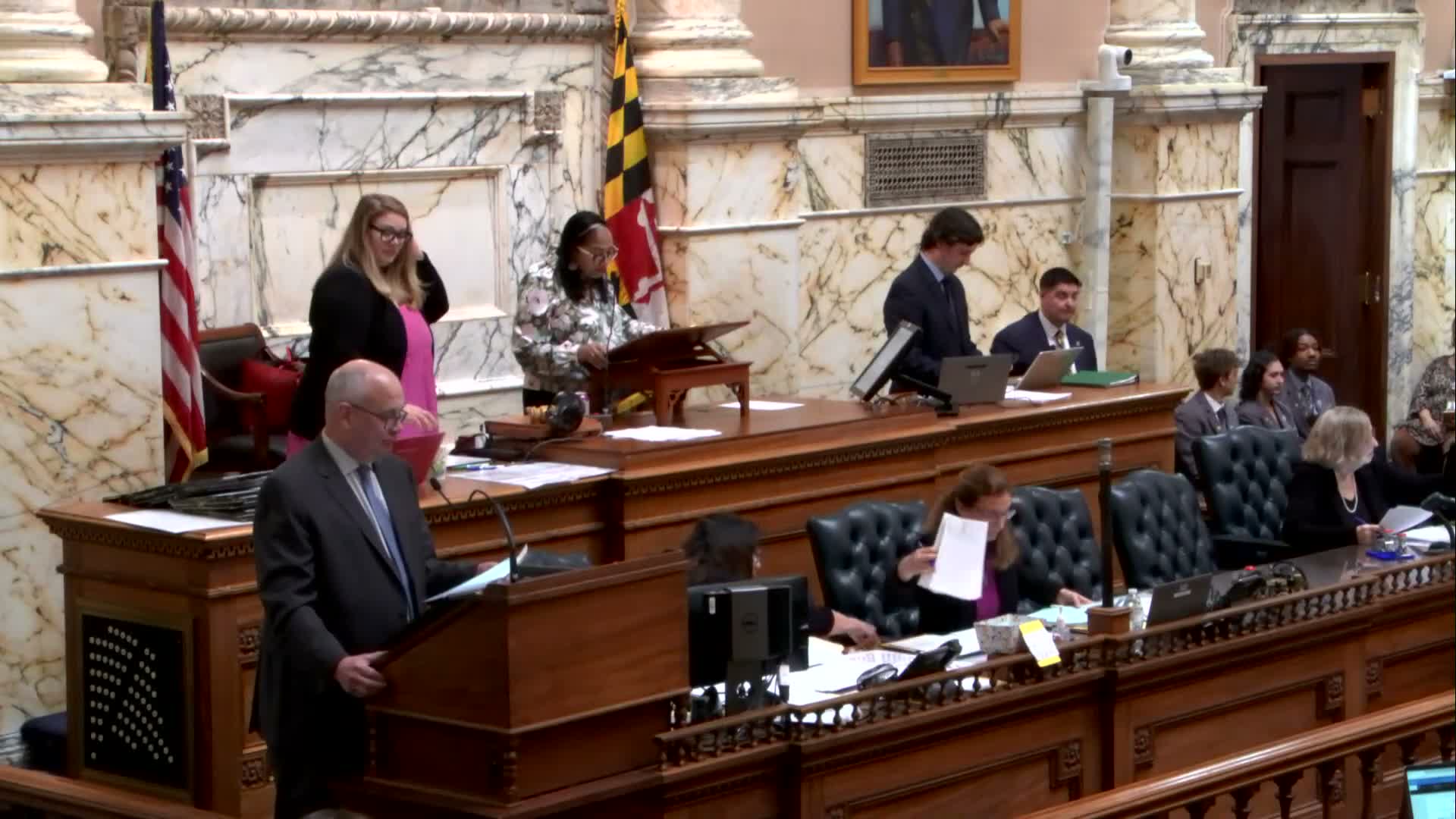
Summary
On House Bill 1081 (Maryland Transit Administration Reform Act), delegates debated an amendment to protect property owners from immediate takings; proponents warned of erosion of property rights, while supporters said the change would go to voters as a constitutional amendment. The amendment failed on a roll call.
A floor amendment to narrow the Maryland Transit Administration’s ability to take property immediately was defeated after a heavily contested debate on March 3.
The maker (speaker 36) argued his amendment would “slow down” potential takings, preserve property rights and require full condemnation procedure before possession. He warned that the bill as drafted could allow the state to take homes or businesses based on government valuation before a property owner had a full day in court, and argued that once work started, owners would have lost leverage.
The chair of the committee (speaker 37) said the bill is the product of an interim work group and emphasized that the change in question is a constitutional amendment that, if passed by the General Assembly, would go to voters. The chair urged the body to let voters weigh the question.
Several delegates framed the issue as a choice about supporting future transit projects versus restricting eminent‑domain style authority. After debate the amendment failed; the presiding officer announced the noes had it and the clerk recorded that there were 98 votes in the negative.
Why it matters: The amendment raised the core public‑policy tension between enabling timely transit projects and protecting private property rights. Supporters of the amendment warned about immediate loss of property control; opponents cautioned the constitutional amendment process would allow voters to resolve the balance.
What's next: The amendment failed on the floor and the bill remains set for further consideration; if enacted this year the proposed constitutional change would be submitted to voters in a future referendum process.