
House approves Safe and Healthy Homes bill after floor debate over public registry
Get AI-powered insights, summaries, and transcripts
Sign Up Free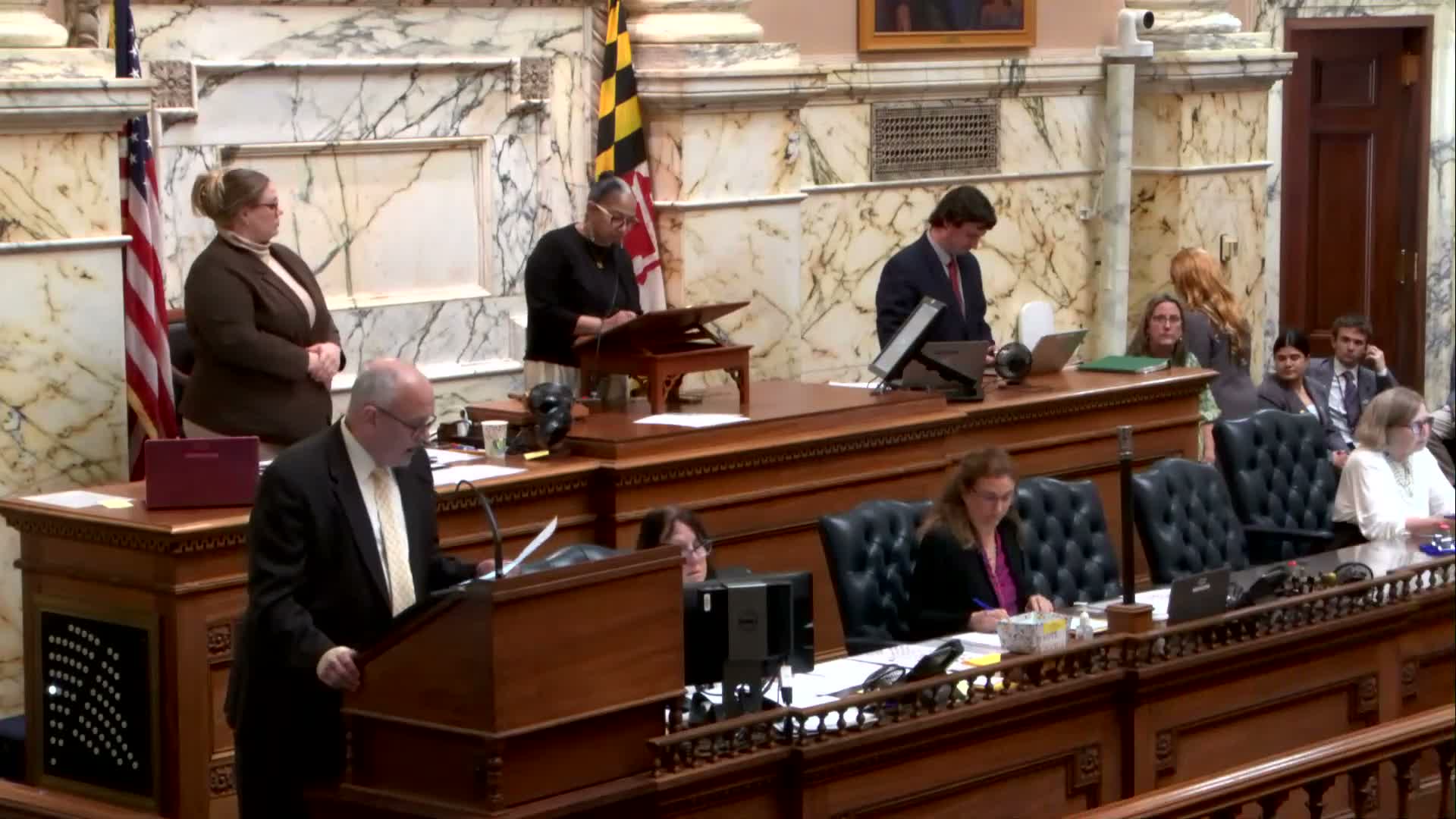
Summary
Delegates approved the Safe and Healthy Homes for All Act (House Bill 12‑18), which requires a state plan focused on large buildings and includes a registry provision that prompted concern about naming private properties; the bill passed 99–36.
The House on March 11 approved the Safe and Healthy Homes for All Act (House Bill 12‑18), a measure that requires the State agency identified in the bill to develop a plan addressing conditions in large multiunit properties and includes provisions to identify certain buildings with persistent, egregious code or habitability problems.
A delegate who explained her red vote said she supported many provisions but objected to a registry provision that would publicly list properties by December 2027 after administrative findings, arguing that naming private buildings without a court finding could unfairly stigmatize property owners and harm businesses. "There are a 100 different ways to gain compliance from property owners," she said, adding she would not support naming names absent a court process.
The floor leader urged colleagues to vote yes, saying the bill requires the agency to create a plan and does not itself trigger immediate enforcement actions. He said the measure targets large properties—"only applies to properties that have 50 or more units"—and is intended to spread awareness so stakeholders can work toward remediation.
The roll call recorded 99 votes in the affirmative and 36 in the negative; the bill was declared passed.
Why it matters: The bill aims to focus state planning and resources on large, problematic rental properties. The registry provision spurred concern about public naming and administrative versus judicial findings; several delegates said they supported the bill’s safety goals but opposed the registry language.
What's next: The act's implementation details—including how the agency will identify properties, timelines and notice to property owners—will be carried out in the plan called for by the law and are likely to be the subjects of future committee oversight.