Get Full Government Meeting Transcripts, Videos, & Alerts Forever!
Get email alerts on the Residential Cleanup topic
No spam. Unsubscribe anytime.
Code enforcement reports 6,056 open cases and nearly $400,000 in demolition work; funds fall short
Summary
Staff told the Jackson committee there are 6,056 total cases on file (residential and commercial) and nearly $400,000 of identified demolition work; available local demolition funds are limited, and staff are pursuing CDBG, HUD and state allocations.
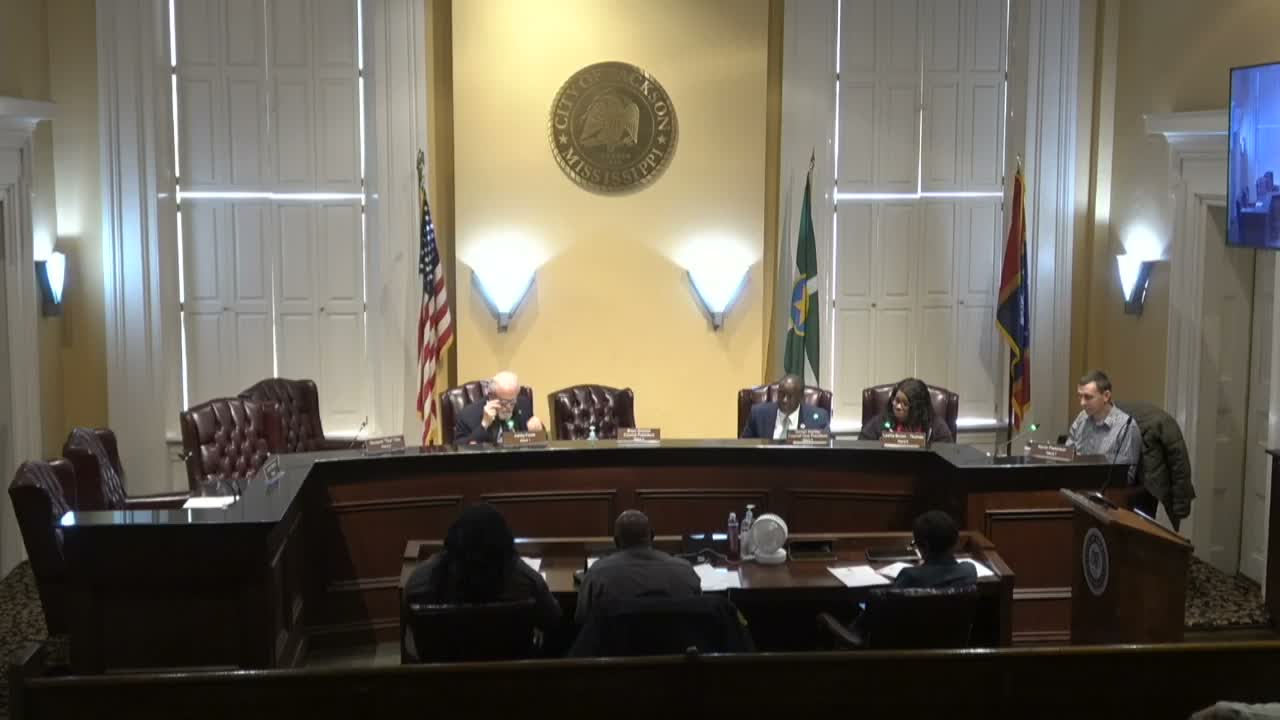
Code enforcement told Jackson’s Planning and Economic Development Committee on Feb. 5 that the department is managing thousands of open cases and that identified demolition and cleanup needs exceed current funding.
Taking the committee to its case counts, code enforcement said, “From I'm just gonna take us back to, January 2025 until today. We have 6,056 properties.” Staff clarified that total includes residential and commercial cases and that 1,527 cases are active since the city's fiscal‑year start in October.
On workload and money, code enforcement said the department “got nearly $400,000 worth of work to do,” while available local funds were much smaller: staff reported roughly $122,000 remaining for commercial demolition, $95,000 for grass and weeds from general funds, and $17,000 left in District 71 funds. Committee members noted those balances are insufficient to cover all identified projects.
Members pressed staff about enforcement timelines and options. A council member summarized the public perception problem: a house reported today can take a year before demolition occurs. Code enforcement described efforts to shorten timelines through environmental court and by increasing certified staff, but also warned that asbestos abatement and other hazardous‑material procedures require certified teams and slow some demolitions.
Policy options discussed included stronger penalties, converting unpaid remediation into civil debt and adding an agenda item to brainstorm subpoena‑style hearings for absentee owners. Sergeant Monique from the city attorney's office said she would consult the city attorney and provide an update on legal options and any relevant rulings that affect Jackson.
Staff said they are pursuing additional funding through federal CDBG allocations, HUD engagement and conversations with state legislators to request more set‑asides for blight remediation and demolitions. Committee members scheduled a follow-up meeting in the coming weeks to continue the discussion.