Get Full Government Meeting Transcripts, Videos, & Alerts Forever!
Get email alerts on the Commercial Blight topic
No spam. Unsubscribe anytime.
Jackson committee pushes for a ‘blight dashboard’ and earlier outreach to struggling businesses
Summary
Committee members and staff discussed creating separate residential and commercial blight dashboards, using licensing and utility data to flag at‑risk properties, and tasking staff to compile a citywide business/contact list to enable earlier intervention.
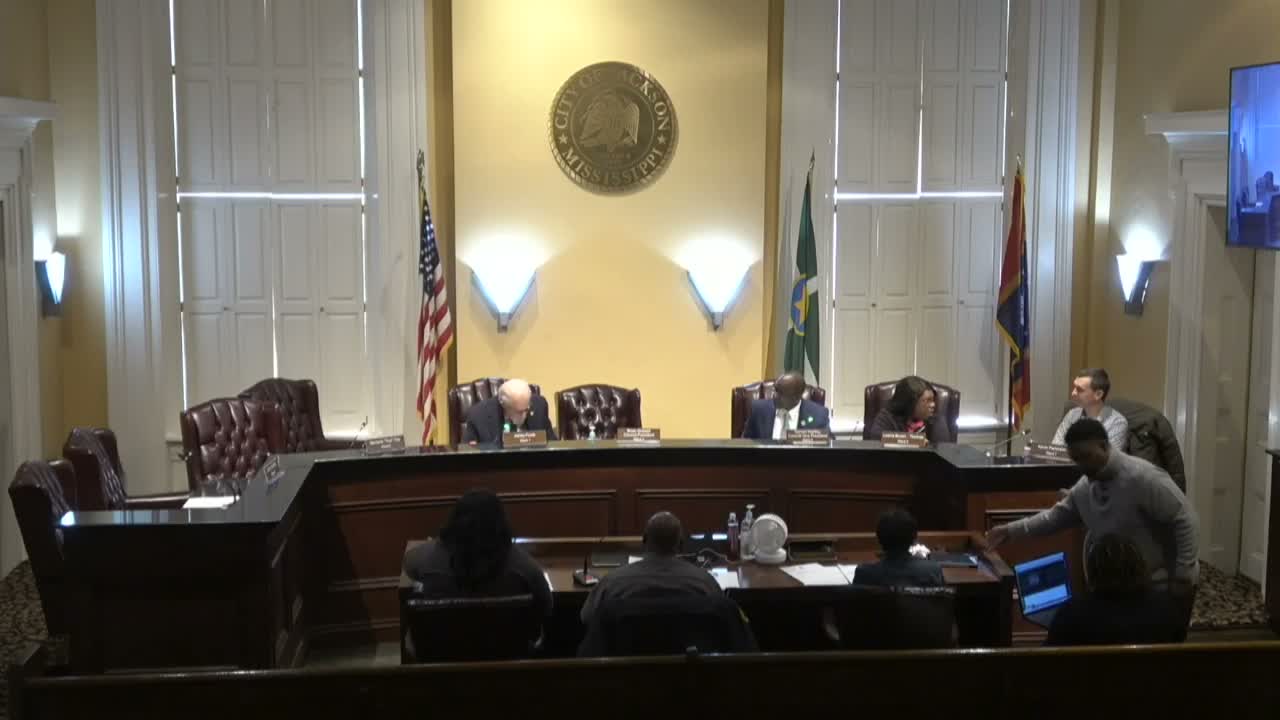
The Planning and Economic Development Committee of Jackson City on Feb. 5 discussed steps to spot and address commercial blight earlier, including a proposed public-facing dashboard and new outreach to businesses.
Chair opened the discussion by urging a proactive approach, saying the council should “come up with a, maybe some kind of blight dashboard for both a dashboard for the blight housing and a blight dashboard for commercial properties” so leadership can identify problem properties and intervene before owners abandon them.
Code enforcement told the committee it is handling several high-profile projects and that “we are currently have about $500,000 left in the commercial properties account,” though some of that money is already earmarked for specific work, staff said. Staff listed recent cleanup sites and ongoing projects, including the Coca‑Cola property and several grocery‑store sites.
Angela Brown, the Planning and Development Director, said the department is restructuring to emphasize business retention and more active engagement with existing businesses: “One of the things we do want to focus on is business retention … having a person that’s actively engaging with the businesses that are in Jackson, understanding their needs,” Brown said, adding such outreach could produce early warnings when a business may be preparing to leave.
Council members suggested pairing city data with utility and tax information to create early‑warning signals. “If somebody stops paying their water bill after 2 or 3 months … that could be a big red flag for us,” a committee member said, proposing partnerships with water providers and other utilities so staff can reach out before a property becomes abandoned and expensive to remediate.
The committee formally tasked Brown with producing a user‑friendly list of every business in Jackson using tax rolls, licensing and other available sources; members said the list should be easy for council staff and code enforcement to consult. Brown also said staff are working with downtown partners and the chamber of commerce to collect business contact data.
Next steps include staff development of the dashboard and the business list, continued interagency coordination (including the county tax office and health department), and a follow‑up committee meeting in the coming weeks to review proposed enforcement options and data tools.