Get Full Government Meeting Transcripts, Videos, & Alerts Forever!
Get email alerts on the Transportation topic
No spam. Unsubscribe anytime.
Council refers USH 53 corridor decision for 90 days after robust debate and DOT testimony
Summary
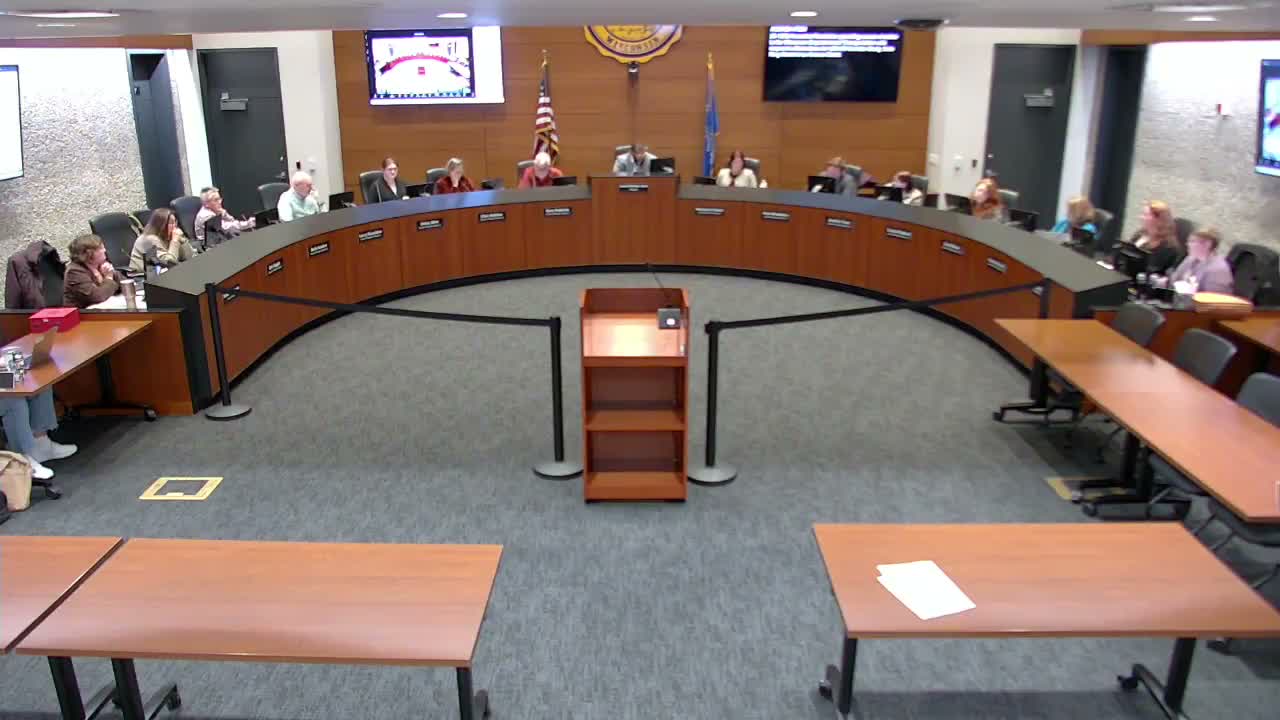
Following testimony from Wisconsin DOT staff and extended council discussion about downtown parking, bike lanes and public engagement, the Common Council voted 9–3–1 to refer the USH 53 corridor alternatives decision for 90 days to allow more community input and concept work.
The La Crosse Common Council voted on Nov. 13 to refer a decision on USH 53 corridor alternatives (King Street to La Crosse Street) for 90 days after a lengthy hearing that included testimony from Wisconsin Department of Transportation staff, council amendments and sustained public and business-community concern.
Councilmember Sleznicko presented an amendment favoring Alternative 1 and cited local plans and a city climate survey showing support for safer walking and biking infrastructure. "Whereas according to the La Crosse Climate Action Survey, over 65% of respondents indicated that they would walk and bike more frequently if they felt safer," Sleznicko read from the amendment materials.
Business owners and some council members urged delay so downtown stakeholders could be consulted. Councilmember Calo moved referral for 90 days and Councilmember Janssen seconded. Wisconsin DOT staff said the project's schedule aims to prevent overlapping corridor construction and that major design steps, environmental documentation and real-estate actions mean substantial changes can add delay; DOT staff also said concept-level screening of new ideas could be accomplished more quickly but full detailed alternatives take longer.
Council members who supported referral said the extra time could allow tactical trials, additional committee input and broader outreach; those opposed warned that delays could push environmental and construction timelines and raise cost through inflation. After debate the motion to refer for 90 days passed 9–3 with one abstention.
The referral pauses a final local decision on a preferred alternative while staff pursue additional public engagement and possible concept screening; DOT staff indicated concept screening might fit a 90-day window but full redesigns could extend the overall environmental schedule.