Get Full Government Meeting Transcripts, Videos, & Alerts Forever!
Get email alerts on the Budget 2026 topic
No spam. Unsubscribe anytime.
La Crosse council adopts 2026 budget after heated debate over Northside library and pool
Summary
The La Crosse Common Council adopted the 2026 operating budget on Nov. 17 after extended debate and failed amendments to keep the Northside library and Northside pool open. Council members approved technical fee changes and FTE adjustments while rejecting reallocation proposals for the library and pool.
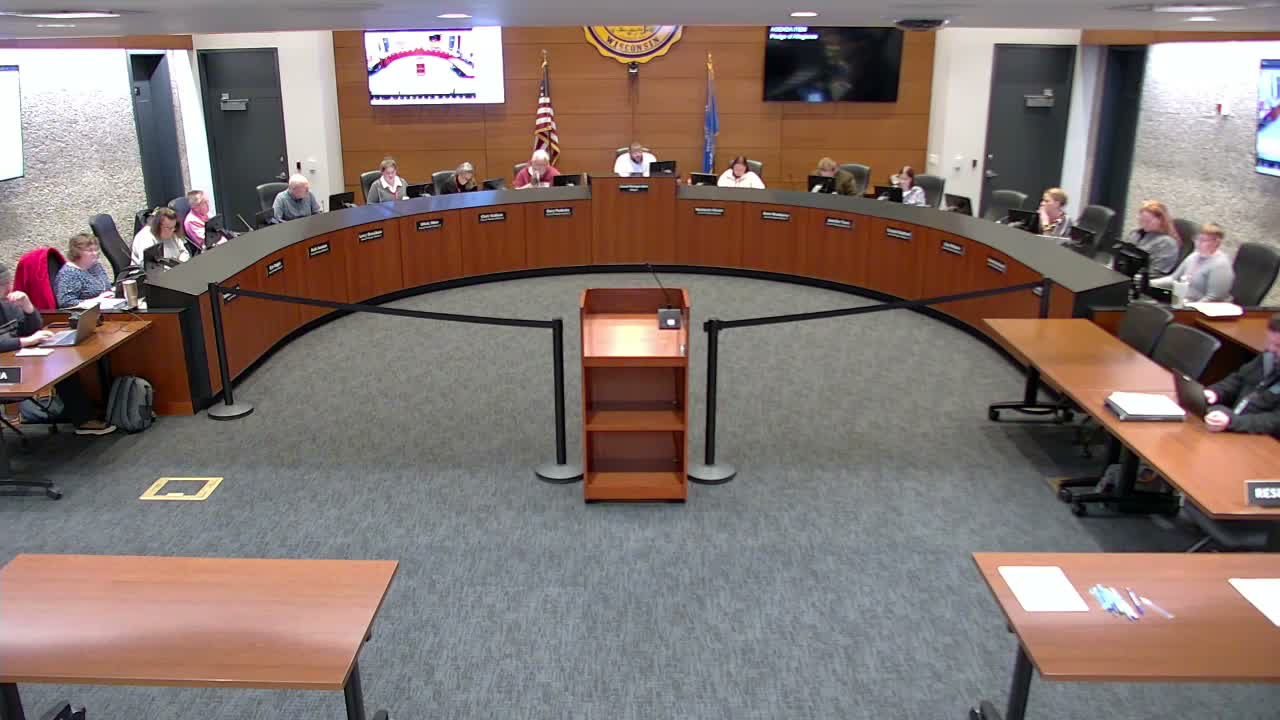
The La Crosse Common Council voted 10–3 to adopt the city’s 2026 operating budget on Nov. 17 after hours of public comment and council debate over proposed cuts that would close the Northside Library and the Northside Pool.
Finance Director Sondra Hawkins presented the budget and described state-imposed limits that constrain revenue growth, including limits tied to net new construction and the Expenditure Restraint Program (ERP). Hawkins said the city’s net new construction revenue this year was roughly $251,000 and warned that exceeding ERP limits could cost the city about $1.6 million in state incentive payments next year.
The budget as adopted includes several amendments Hawkins brought forward that reflect additional revenue from updated fees, state allocations and support payments for a school resource officer. The council also approved updates to the authorized FTE list, including reclassifying the police records manager and adding three water/wastewater positions; that FTE motion passed 12–1.
The meeting’s most contentious items were two amendments proposed by Council Member Goggin to reallocate budgeted workforce‑study dollars to keep neighborhood amenities open. One amendment sought to move $50,000 from a proposed $75,000 workforce study to fund the North Branch Library through June 2026. Library staff and board representatives had presented a plan to keep the branch open to midyear, but the council was reminded that the library board — not the council — decides day‑to‑day library operations. The motion failed 4–8–1.
A second proposal would have shifted $75,000 from the workforce study and $15,000 from the mayor’s community enhancement grant (later discussed as a $25,000 configuration in debate) to provide operational funding for the Northside Pool in 2026. Parks Director Jay Odegaard described the pool’s operating deficit: about $120,000 in expenses and $30,000 in revenue in 2025, a roughly $90,000 net cost, and average daily attendance of roughly 53 patrons at Northside compared with higher use at other city pools. Odegaard also noted a leaking liner, capital needs pushed to later years and tight timelines for contracting and hiring lifeguards. Council members argued both for preserving neighborhood services and for long‑term fiscal sustainability. The pool amendment failed (4–9).
Several council members said the decisions were painful and urged greater public engagement on priorities; others said the council must follow the financial constraints identified by staff and preserve ERP eligibility to avoid larger shortfalls in future years. Council Member Janssen briefly offered a late amendment to eliminate the communications coordinator position and redirect funds to the police department; that motion failed 3–10.
After procedural steps — including an amended levy figure to match approved changes and a required second public hearing (no additional speakers) — the council adopted the budget and levy and later approved the 2026 council meeting calendar. The mayor closed the meeting, calling the evening a difficult set of conversations.
The library board must still decide whether to use any council‑allocated funds to keep the North Branch open; the council’s allocation authority does not compel the board’s operational choice. The council and staff reiterated that the budget decisions hinge in part on state limits and the city’s use of fund balance to smooth near‑term gaps.