Get Full Government Meeting Transcripts, Videos, & Alerts Forever!
Get email alerts on the Code Enforcement topic
No spam. Unsubscribe anytime.
Port St. Lucie magistrate finds multiple properties in violation, authorizes abatements and certifies fines
Summary
At a Jan. 28 special magistrate hearing, Port St. Lucie Special Magistrate Keith Davis found numerous properties in violation of city code, authorized city abatement in several cases and certified fines or costs where the city had already abated. Several respondents received March 11 compliance dates.
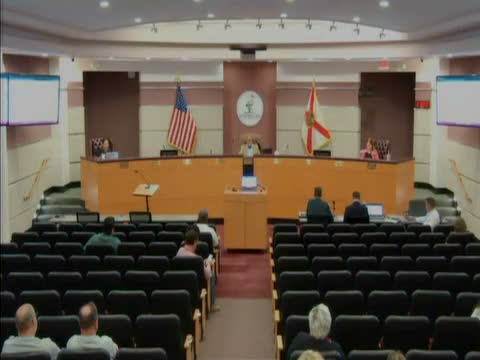
Port St. Lucie Special Magistrate Keith Davis presided over a Jan. 28 hearing that resolved dozens of code-enforcement matters, finding many properties in violation and authorizing city abatement or certification of fines in multiple cases.
Why it matters: The magistrate’s orders allow the city to recover costs for abatement work and to impose daily fines where owners failed to comply with inspection deadlines. Several cases were set with a shared compliance date of March 11, 2026, giving respondents a single near-term deadline to correct cited violations.
Key actions and outcomes
- The magistrate found proper notice and certified fines or authorized abatement for multiple properties with open storage, high grass, unpermitted structures and other code violations. In cases where the city had already contracted to abate the violation, the magistrate ordered payment for abatement costs plus $411 in administrative costs.
- Example: For the property at 1985 Southeast Drentzen Circle, the city’s vendor cleared waste material; the magistrate ordered payment of $850 for abatement costs plus $411 in administrative costs.
- The magistrate repeatedly found that several properties’ violations constituted a threat to public health, safety and welfare and granted the city authority to enter properties to abate violations and assess costs if owners do not comply.
- The hearing included several matters postponed or modified in advance by city staff; modification requests for agenda items 8–22 were filed with the magistrate and recorded as orders that he will sign.
What the magistrate said
Magistrate Davis emphasized the hearing process and the need to follow up: "Once I've heard everything from both you and the city, I will...enter an order that resolves the matter." He also ordered specific compliance dates where appropriate and granted the city authority to act when respondents failed to appear or correct violations.
Context and procedure
City witnesses presented inspections, photographs and case histories for each matter. The city explained its notice procedures — certified mail or posting on the property and public records of photographs — and the magistrate repeatedly found proper notice in absent-respondent cases before granting relief to the city.
What happens next
Where the magistrate authorized abatement or certified fines, the city may proceed to recover abatement costs and administrative fees and may place liens or otherwise pursue collection according to city practice. Several cases were calendared for March 11, 2026 to show compliance or return for further proceedings.
The hearing concluded at about 10:30 a.m., and the magistrate adjourned the session.