Get Full Government Meeting Transcripts, Videos, & Alerts Forever!
Get email alerts on the Green Bay Street topic
No spam. Unsubscribe anytime.
Green Bay Street retrofit requires outreach, easements and possible CIP funding, engineering director says
Summary
Engineering director Matt Gallagher told the committee that adding raised or protected bike lanes on Green Bay Street will require public outreach, possible limited‑term easements and amendments to state municipal financial agreements; staff recommended a CIP project to retrofit the corridor beyond the two blocks currently scoped.
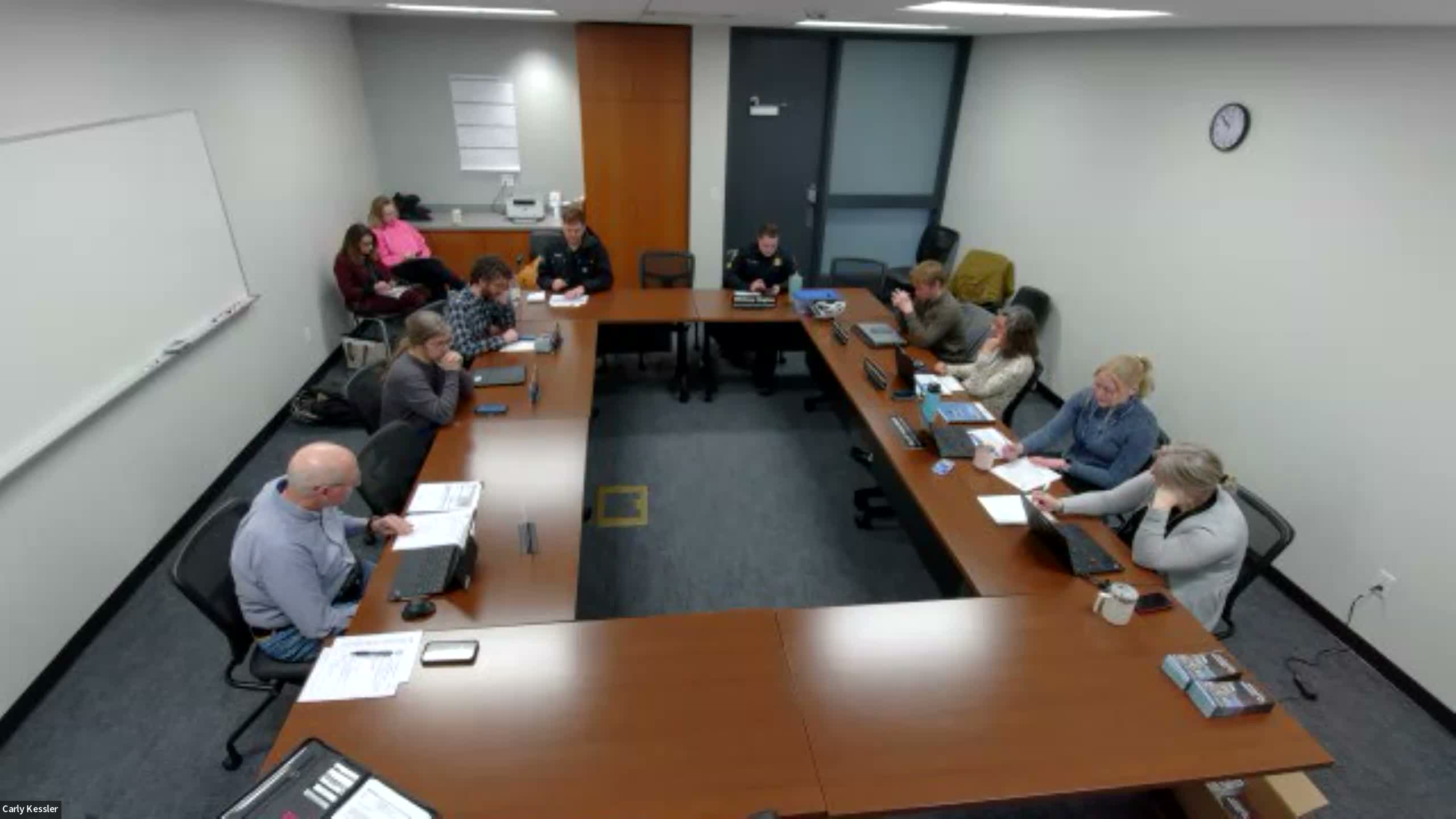
Matt Gallagher, the city’s engineering director, briefed the Bicycle Pedestrian Advisory Committee on the Green Bay Street corridor and said the project will need more public outreach and intergovernmental work before committing to protected on‑street bike lanes.
Gallagher said the design for the two blocks currently scoped could be modified to include raised or separated bike facilities, but those treatments would likely require limited‑term easements (LTEs) and amendments to state municipal financial agreements (SMFAs) because the corridor is federally funded and property impacts fall outside the current project scope. “There would be additional cost for it that would require an amendment to our state municipal grama,” Gallagher said, noting any SMFA amendments must be approved by full council.
Staff told the committee they are in early conversations with DOT and planning about outreach and potential CIP funding for retrofitting the remainder of the corridor. Committee members and a public commenter raised concerns about directing bike traffic through industrial stretches (14th–16th) and the potential pedestrian and parking impacts for nearby schools and workplaces; staff said those concerns will be included in outreach and CIP planning.
Gallagher said staff will work to provide cost estimates for a corridor retrofit and report back at the committee’s next meeting, and that planning will lead public outreach efforts because community acceptance is crucial before changing parking or lane configurations.
Next steps: staff will develop a retrofit cost estimate and coordinate DOT outreach plans; the committee will receive an update at its next meeting.