Get Full Government Meeting Transcripts, Videos, & Alerts Forever!
Get email alerts on the Education Truancy topic
No spam. Unsubscribe anytime.
Appleton Area School District reports modest truancy improvements; officials to provide cohort/demographic follow-up
Summary
Superintendent Jeremy Hartsch told the Safety & Licensing Committee that first-semester data show modest improvement in chronic absenteeism and habitual truancy; the district reported one truancy citation and said it will produce cohort and demographic breakdowns later in the year.
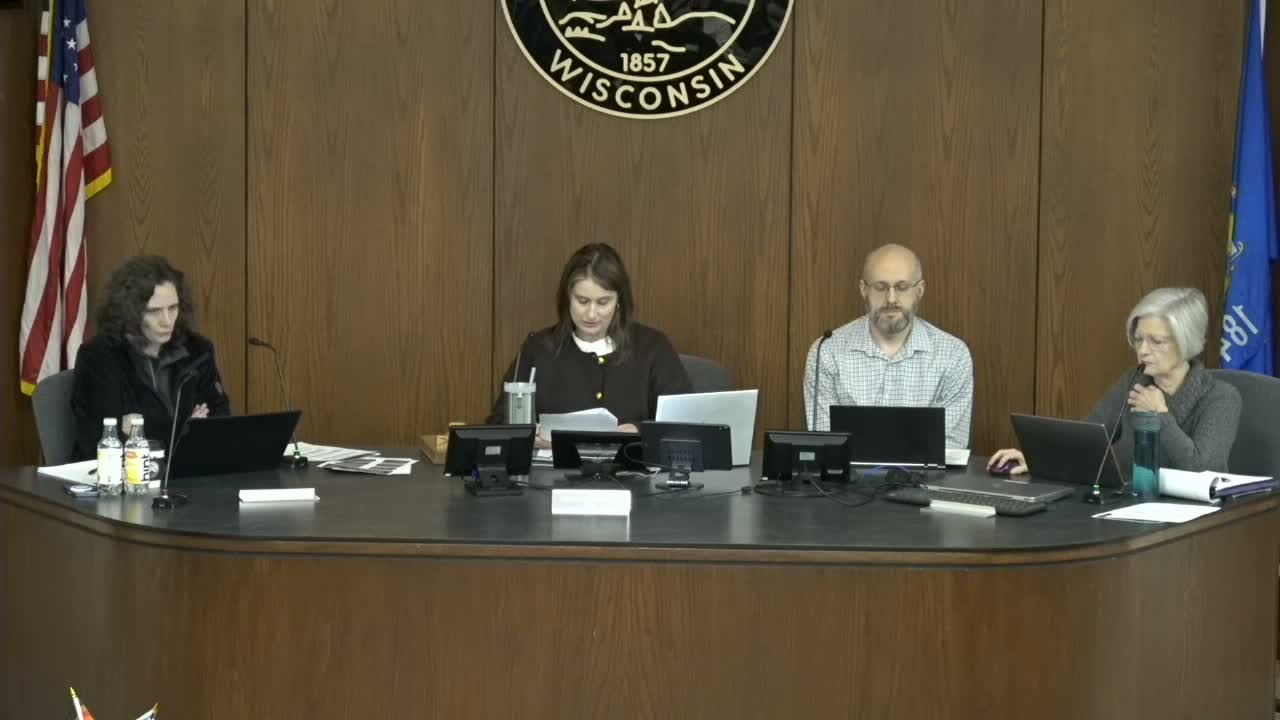
Superintendent Jeremy Hartsch and the district attendance coordinator briefed the Safety & Licensing Committee on first-semester attendance after the city and school district implemented an amended truancy ordinance.
Hartsch said high‑school chronic absenteeism for the first semester was 22.3 percent, habitual truancy 23.1 percent, and that 13 percent of students (556 students) were both chronically absent and habitually truant — an improvement from more than 800 students the prior year. District staff described those figures as a sign of modest progress and said more detailed analysis is required to understand impacts on students with the highest absence counts.
Stephanie Marta, the district social worker and attendance coordinator for middle and high schools, said the district started "attendance education lessons" for students who met habitual-truancy thresholds; 409 students attended the lessons across three high schools and 171 (41.8 percent) of those attendees increased their attendance rate after the lesson. Marta also said the district issued one citation since the lessons began — a student who had not attended school for over a year despite county referrers and support attempts.
Committee members asked for more longitudinal and cohort data — for example, tracking last year’s most‑absent students to see whether they improved this year — and requested demographic breakdowns for groups affected (disability status, etc.). Hartsch and staff agreed to provide cohort analyses and to report back as the district compiles end‑of‑year numbers for the board.
Ending: The committee did not vote on any new enforcement policy; district officials said they will return with further data, including cohort tracking and demographic breakdowns, to help the committee evaluate whether the ordinance and the attendance‑education interventions are changing long‑term outcomes.