Providers tell committee H5087 would duplicate state rules and could restrict access to care
Loading...
Summary
During testimony on H5087, med‑spa owners, clinicians and trade representatives warned that the bill’s language is outdated, risks duplicating Department of Public Health rules (citing 105 CMR 140 and a section 133 concern) and could limit nurse practitioners and PAs, harming access and small businesses.
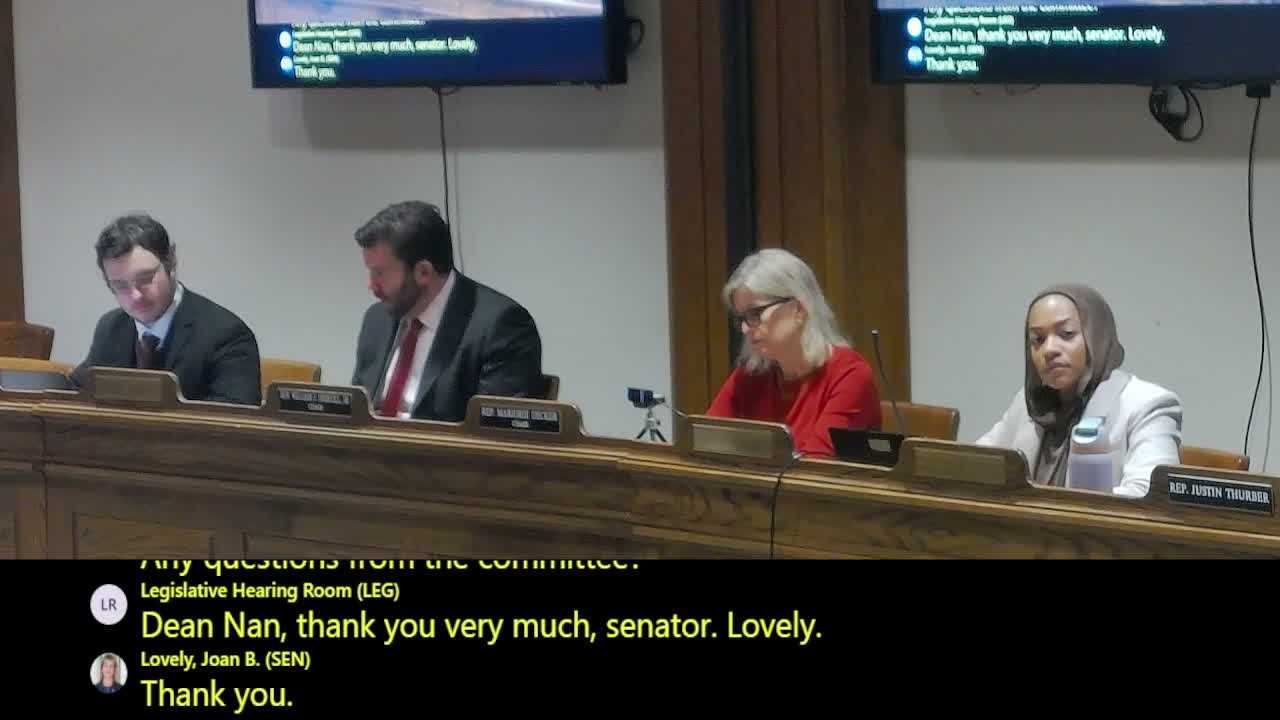
The Joint Committee on Public Health heard detailed opposition to House Bill 5087, a proposal to regulate medical‑aesthetic practices and medical spas.
Jessica Taco, who said she previously ran a large woman‑owned lobbying firm, told the committee that the bill appears to be a late file copied from earlier drafts and “actually contradicts Mass state law, particularly section 133 about hospitals,” arguing it could impose stricter standards on med‑spa practices than on hospitals or ambulatory surgical centers.
Multiple clinicians and owners urged the committee to revise the bill. Michelle Doran, a board‑certified nurse practitioner and founder of RN Aesthetics, said the bill is “overly broad and risks restricting care that is already being provided safely every day,” and asked for stakeholder engagement to craft targeted regulation that protects patients without unnecessary barriers.
Leah Kenny, a physician assistant and small‑practice owner, said an on‑site physician supervision requirement in the bill would be “a step backwards” from recent state moves toward modernizing PA practice, could reduce access and make the Commonwealth less competitive for workforce funding tied to flexibility. Dr. Joseph Russo, a plastic surgeon and trainer, said the legislation “does nothing” to address core issues—education, training and compliance—and warned that improper drafting could push patients toward less regulated, riskier providers.
Industry witnesses said they have submitted written materials and a petition of roughly 1,500 providers opposing the bill’s current text and requested that the committee work with Department of Public Health staff and active practitioners to refine any regulatory approach.
Speakers noted existing regulatory frameworks—including 105 CMR 140 and recent changes to nurse practitioner authority—and urged the committee to align any new requirements with current licensure, training and competency standards. The committee chairs asked for specific citations and a list of redundant or unnecessary provisions to inform future drafting.
No vote was taken; the committee said it will review submitted written testimony and position papers before considering amendments or scheduling further action.