Proposal to rebase Massachusetts’ revenue cap draws scrutiny for making refunds more frequent
Loading...
Summary
H.5006 would change how the Chapter 62F tax‑cap is calculated — tying next year’s allowable collections to last year’s actual collections plus wage growth and including the surtax — which proponents say restores the cap’s intent while experts say it would trigger refunds more often and reduce stabilization fund deposits.
A second ballot measure under review at the committee hearing would revise Chapter 62F — the state law that caps allowable tax collections and requires refunds to taxpayers when collections exceed that cap.
Under current law, the cap is tied to a 1986 baseline adjusted annually by a 3‑year average of wage and salary growth. Proponents said the existing formulation has drifted from the original intent and should be adjusted; H.5006 would instead base the allowable cap on the prior year’s actual collections plus the 3‑year rolling wage and salary growth, and it would include surtax receipts in the calculation.
Proponents including Jim Sturgis (Pioneer Institute) and Rebecca Paxton (Mass Opportunity Alliance) argued the change would make the cap function more like voters originally intended and produce periodic refunds to taxpayers without meaningfully undermining long‑term revenue growth. They presented models that showed more regular but smaller refunds and argued the change would impose discipline on future revenue growth.
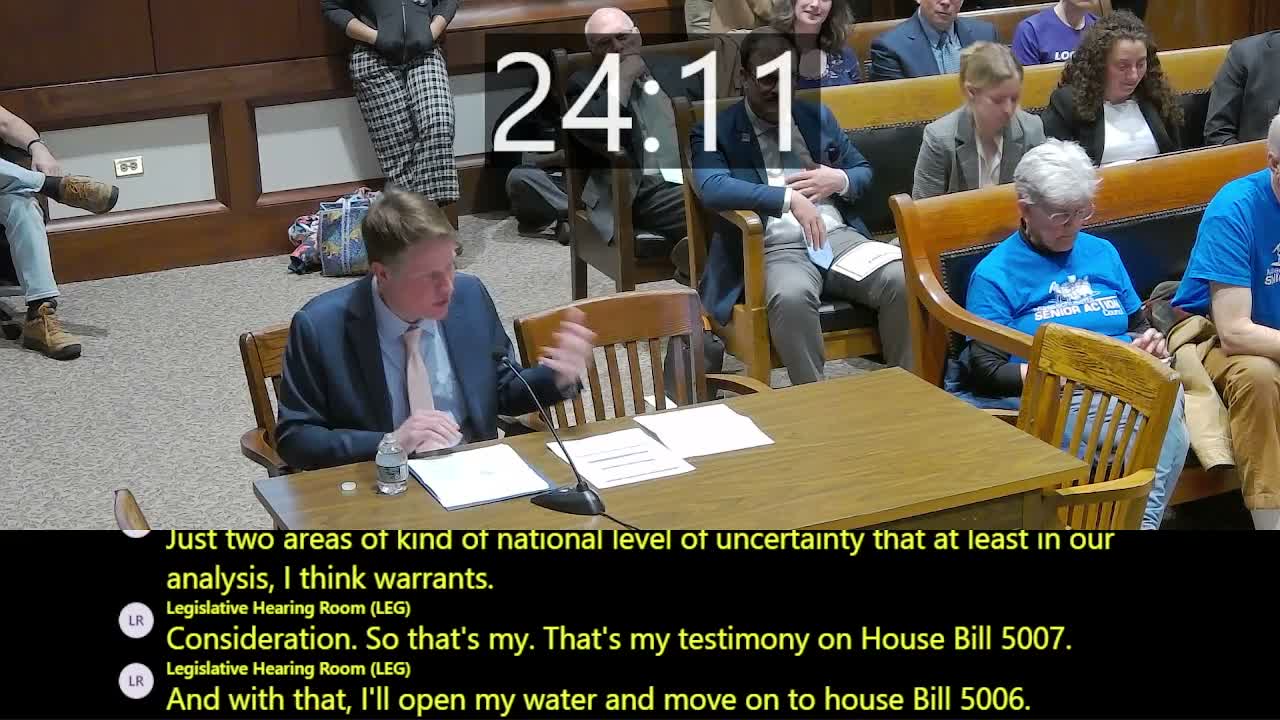
Experts and many opponents contended the proposal would make triggers far more frequent, generate large episodic refunds that would otherwise have been available for stabilization fund deposits or end‑of‑year discretionary spending, and reduce the state’s ability to respond to recessions. Doug Haugat told the committee the proposed formula would have triggered Chapter 62F four times in the last decade and produced refunds in the billions (estimates varied by scenario). He said including surtax revenues without changing the cap’s base would increase the likelihood of triggering refunds.
Witnesses also warned the proposed cap revision is sensitive to one‑year anomalies (inflation, pass‑through accounting quirks, or temporary credits) and could ratchet the allowed baseline downward after weak years, constraining revenues as the economy recovers. Opponents noted that changes to the cap combined with a permanent tax rate cut would multiply fiscal effects and complicate budget management.
The committee did not take action; the hearing record includes technical debate about indexation, one‑off accounting effects and the interplay between surtax revenues and the cap calculation.