Get Full Government Meeting Transcripts, Videos, & Alerts Forever!
Get email alerts on the Education Outreach topic
No spam. Unsubscribe anytime.
Commission weighs smaller school distribution for children's book to cut costs
Summary
Members discussed printing thresholds and a plan to reduce the number of distributed children's books by placing copies in school libraries or focusing on a single grade; members will get cost estimates from the printer and seek superintendent approval before distribution.
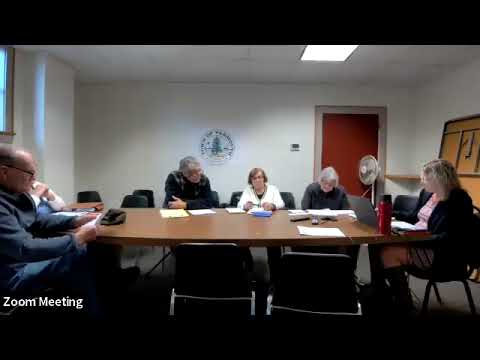
Members of the Yarmouth Commission on Disabilities debated how to distribute a children’s book to local schools at their Nov. 12 meeting, with a focus on reducing printing costs and ensuring superintendent approval before classroom distribution.
Gail Turek described prior runs that produced 1,000–1,250 copies and proposed a smaller approach — for example, placing a few copies permanently in school libraries or targeting a single grade each year to lower costs and staff effort. She said the author-teacher who used the book in class placed copies in a library and used low-effort activities to spark student conversation.
Jessica Simmons and other members asked for cost breakdowns at different print thresholds and agreed to contact a local printer (Cape Tech) for pricing. Members discussed per-book cost ranges, noting earlier per-copy prices around $1.35 at larger print runs and higher prices at smaller quantities; no new contract or funding decision was made.
The commission agreed on next steps: obtain detailed price quotes from the printer for multiple quantity thresholds and secure approval from the school superintendent before distributing books in classrooms. Chair Bill said he would contact the superintendent and Jessica volunteered to contact the printer with a request for tiered cost estimates.
Why this matters: The commission’s outreach to children is intended to promote kindness, inclusion and familiarity with disability topics; members sought a cost-effective approach to reach classrooms while minimizing staff burden.
What’s next: Staff and members will get printer quotes and present those figures before any purchase or classroom distribution.