Get Full Government Meeting Transcripts, Videos, & Alerts Forever!
Get email alerts on the Budget topic
No spam. Unsubscribe anytime.
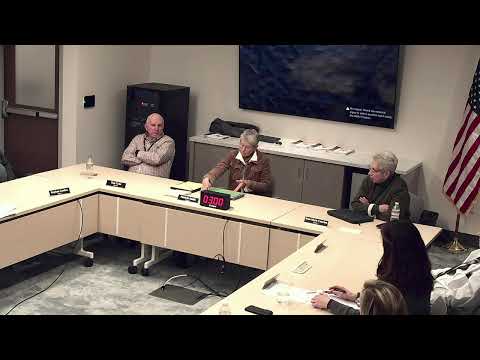
Cumberland County approves FY2027 budget, cites 12.93% tax impact as jail costs climb
Summary
Cumberland County commissioners unanimously adopted the FY2027 budget on March 16, 2026, approving a package that increases county tax needs by 12.93% driven chiefly by a roughly 25% rise in jail-related expenses; commissioners also approved a capital plan, reserve transfers and 3% cost‑of‑living adjustments.
Cumberland County commissioners on March 16 adopted the county’s FY2027 budget, a package the county manager said will raise the county’s “total needs from taxes” by 12.93 percent.
The county manager, the official overseeing budget preparation, told commissioners the budget reflects several cost pressures, including settled union contracts, a 12% rise in health‑insurance costs, higher software and fixed costs, and rising jail expenses. He said the jail line alone accounts for the largest portion of the increase, describing the jail budget as up about 25 percent in this cycle.
Commissioners framed the vote as a necessary step to maintain operations and to stabilize reserves. Chair (speaking for the board) thanked finance staff and auditors after RHR Smith & Company presented an unmodified audit earlier in the meeting. “I feel completely comfortable,” the chair said in support of the budget, praising the finance team for planning and for proposing a tax stabilization reserve to mitigate future spikes.
The package approved by the board included a $500,000 insertion to a tax stabilization reserve, a five‑year capital improvement plan, a transfer of $1.5 million from unassigned fund balance to stabilization and uncompensated‑absences reserves, and a 3 percent cost‑of‑living adjustment for county nonunion employees and elected officials. The county manager said the board increased projected investment income during the final revision, which slightly reduced the tax impact from an earlier estimate.
Commissioners debated the long‑term pressures behind jail costs and urged continued advocacy for state assistance. One commissioner urged colleagues to press state legislators for more support for county jail funding, while another warned that strict state caps (the statutory 4 percent growth limitation) can leave counties unprepared in years of sharp cost increases; the board voted to exceed that 4 percent factor for the jail this year under the statute’s emergency provisions and recorded the action as unanimous.
The budget motion passed on a unanimous voice vote. Commissioners said they will publish final budget documents and distribute updated materials to towns and stakeholders ahead of the tax‑rate certification process.
The board’s action also finalized a FY2027 Cross Insurance Arena budget and details on non‑debt capital spending; specific dollar lines were read into the official motion during the meeting.