Get Full Government Meeting Transcripts, Videos, & Alerts Forever!
Get email alerts on the Budget Process topic
No spam. Unsubscribe anytime.
Finance committee adopts a tighter budget-review process, presses departments on staffing and revenue trends
Summary
The committee approved a more structured budget schedule and presentation template to streamline hearings starting Jan. 5, and pressed departments to address staffing and retention pressures and to state how they would spend additional resources.
The Town of Yarmouth Finance Committee agreed on a more structured process for the upcoming budget-review cycle, emphasizing pre-vetted questions, time-limited presentations, and clearer, plain-language revenue summaries for committee members and the public.
Bill (staff) outlined a schedule that starts Jan. 5 with community services and places the town’s largest budgets — police, fire and public works — in the mid-process. He said committee members will receive PDF profile sheets and capital-improvement narratives in advance and can send questions the week before a department appears so departments arrive prepared to respond.
Members pressed department-facing questions to focus on fiscal impacts. George and others asked departments to frame staffing and retention challenges in budget terms and to say what they would prioritize if given additional funding. “If you were given additional revenue, what would be your top priority to expand or restore?” one member suggested, a question staff will add to the presentation template.
Ed said staff will provide a simplified monthly revenue-trend executive summary in committee packets and can add tax-levy detail for clarity. The committee also discussed the mechanics of preliminary votes at the end of department presentations to avoid having to recall details weeks later; preliminary votes could be subject to change after callbacks or new information.
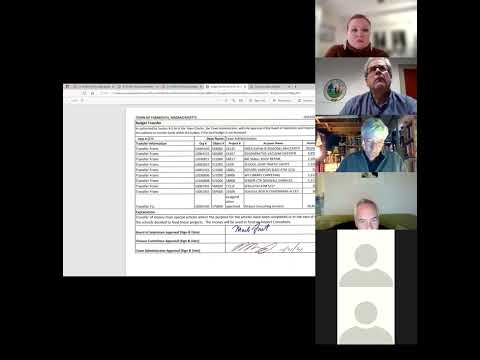
Committee members asked staff to coordinate timing, limit meetings to two hours where possible, and build callbacks into the schedule so departments can return with requested data rather than derailing the meeting agenda. Staff agreed to deliver a more consistent agenda format and to circulate department materials, minutes, and transfer documentation together.
The process changes aim to make the abbreviated budget calendar more efficient and to help committee members, many of whom are not finance professionals, grasp the fiscal implications of staffing and capital requests.
Next steps: staff will distribute profile sheets, add the agreed questions to the presentation template, and provide sample revenue summaries to the committee for review.