Get Full Government Meeting Transcripts, Videos, & Alerts Forever!
Get email alerts on the Immigration Policy topic
No spam. Unsubscribe anytime.
Presenter outlines Barstow Unified policy protecting students from immigration enforcement
Summary
A presenter for Barstow Unified reviewed the district's immigration-enforcement policy, saying schools are "safe zones for learning" and that staff must deny agent entry without a valid judicial warrant. The policy sets privacy limits, an escalation protocol, and complaint procedures for violations.
A presenter for Barstow Unified School District outlined the district's immigration-enforcement policy, saying the rules are meant to make "it super clear" what protections students, families and staff can expect.
The presenter said the policy's foundational claim is straightforward: "Schools are safe zones for learning, period." That principle, the presenter said, underpins rules that limit what school employees may ask or share about a student's immigration status.
Under the policy, school staff are prohibited from asking students or families about immigration status, requesting documents related to status, or sharing school records for immigration-enforcement purposes. "They also can't just let agents wander into private areas like classrooms or school buses," the presenter said.
The policy names one major exception: a valid judicial warrant. The presenter described that as a formal court order signed by a judge that meets a "very, very high legal bar" before information may be shared or access allowed.
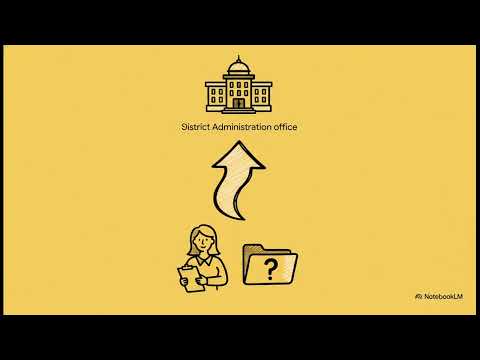
The presenter walked through a protocol for on-site encounters with immigration agents. If agents do not present a valid warrant, staff must deny entry; if agents present a valid judicial warrant, staff must not impede their access. The presenter summarized the response steps as a chain of command: staff who receive a request must not act on it, must report immediately up the chain to the superintendent, and the superintendent will notify the school board while protecting confidential information.
The district's policy also bars using district resources — computers, data or files — to create any list or registry that singles out people by immigration status or national origin. The presenter said the policy guarantees students the right to refuse to provide information about their immigration status and frames these protections as part of ensuring equal opportunity and freedom from intimidation.
For accountability, the presenter said the policy incorporates the district's uniform complaint procedures so individuals who believe their protections were violated can file a formal complaint and have it investigated.
The presenter closed by stressing the policy's broader purpose: not just rules on paper but a commitment to "actively creating a community where people feel safe and trusted."