
Council splits on how to expand affordable housing funding; bond and tax options discussed
Get AI-powered insights, summaries, and transcripts
Sign Up Free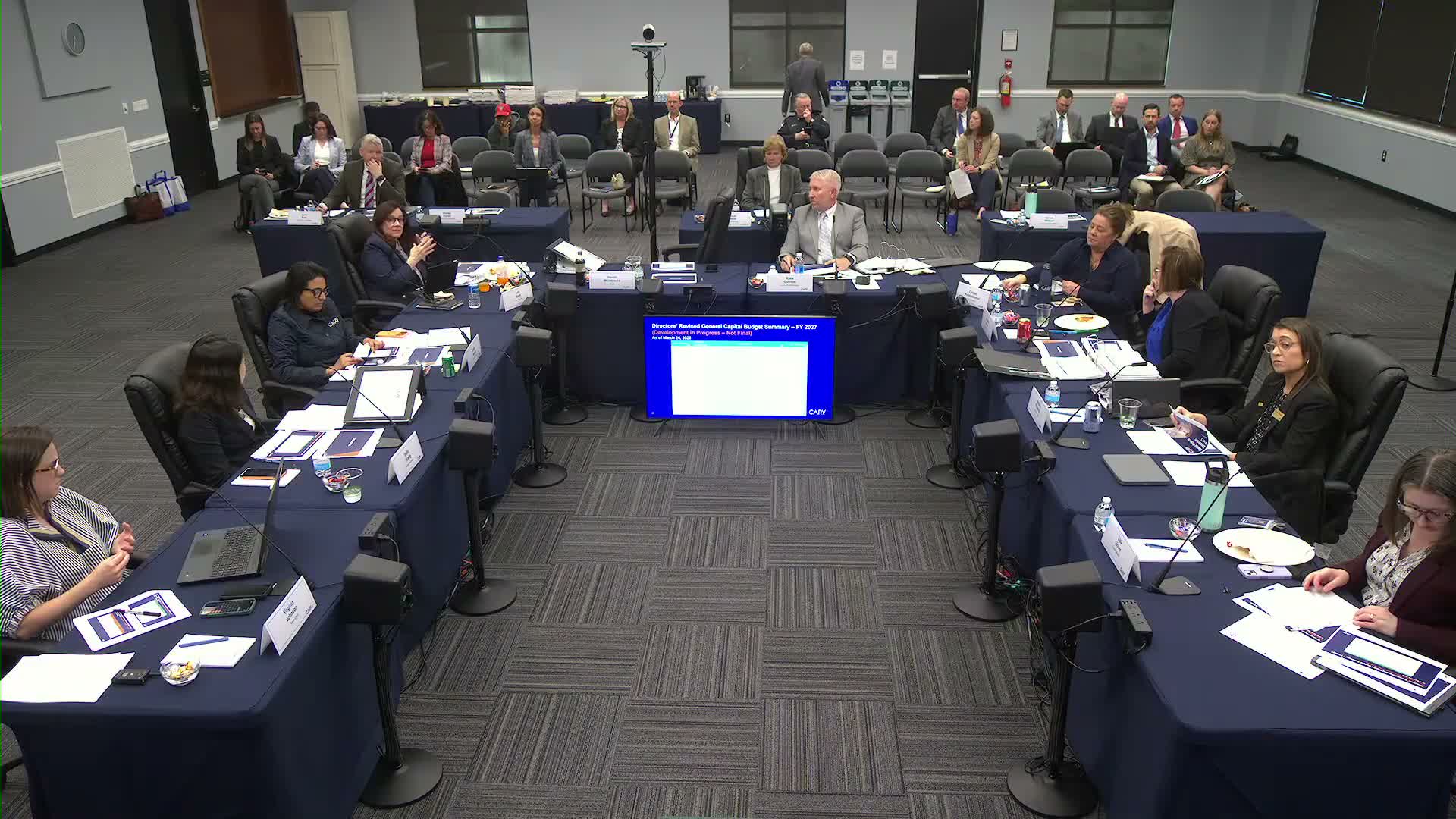
Summary
Council debated whether to dedicate a tax increment ("a penny") or pursue a housing bond to boost affordable housing. Staff outlined current general fund and CDBG allocations, gap‑financing practices, and active projects (including Greenwood Forest and Rose Park Manor).
Affordable housing dominated a long portion of the March 24 work session as councilmembers pressed staff for options beyond the current capital draft.
Councilmember Laurie and others urged a dedicated funding stream—sometimes referred to as "a penny" on the tax rate—to guarantee annual investment in housing. "I would love to be at about a penny on the tax rate of affordable housing investment," one councilmember said, arguing it would produce predictable annual resources for gap financing and predevelopment support.
Staff said the general‑fund portion shown in the capital draft is roughly $1.8M and projected CDBG funds about $7.43M; together staff estimated around $3.4M in identified funding plus a pending $1.5M grant application. Heather, housing staff, explained that the town often uses gap financing for projects that are tax‑credit eligible and near shovel‑ready; she cited Greenwood Forest Baptist Church DHIC as a recent example of a project that requested gap funds.
Council also discussed bond timing. Legal and calendar constraints make it unlikely to place a new housing bond on the upcoming November ballot, staff said; a bond campaign would likely move into the next fiscal year and require a multistep public process. Some councilmembers argued for starting the conversation now so planning can inform a future referendum.
Not all members agreed on prioritization. One council member cautioned that Cary faces multiple competing needs—public safety, resurfacing, and neighborhood stability—and that a broad funding strategy and regional partnerships are necessary. Others pointed to immediate, locally funded efforts such as the town’s $800,000 seed investment in the Stable Homes Cary program and the recent opening of Rose Park Manor as examples of how different tools can be combined.
Staff committed to provide a fuller breakdown of housing funding sources, project readiness and pending federal applications at upcoming meetings so council can weigh dedicated funding, bond timing and program design.