Get Full Government Meeting Transcripts, Videos, & Alerts Forever!
Get email alerts on the Budget topic
No spam. Unsubscribe anytime.
Lynwood Unified warns of shrinking enrollment, rising pension and special-education costs in first-interim budget
Summary
District officials told the board that long-term declines in births and local school-age population have reduced Average Daily Attendance and state revenue, while STRS/PERS rate increases and a $36 million local contribution to special education are squeezing the general fund; the district certified a "positive" multiyear projection but warned future reductions may be needed.
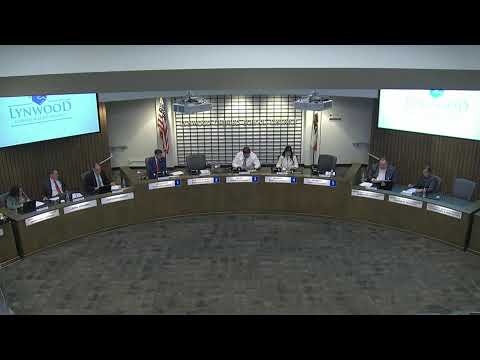
Lynwood Unified School District officials on Dec. 11 told the board that long-term enrollment declines and rising employee-cost obligations are squeezing the district’s general fund and will require continued cost monitoring and possible reductions.
In a first-interim budget presentation, Brenda Romero, the district’s director of fiscal services, said employee salary and benefits drive most operating costs and highlighted current pension rates: "Our STRS rate is currently 19.1%. Our PERS rate is 26.81%," Romero said. She described a large gap in funding for special education: "We currently receive about $10,000,000 from the state and our contribution currently is $36,000,000 from the general fund to support this program." Romero said the adult-education program is projected to deficit-spend by about $424,000 on a cumulative basis.
The presentation traced the problem to demographic trends. Assistant Superintendent Dr. Gretchen Jansen cited statewide forecasts and local demographic studies showing a marked drop in school-age populations in Los Angeles County and the city, and she warned the district’s revenue will fall as Average Daily Attendance declines. Jansen said the state’s Cost-of-Living Adjustment was revised down to about 2.51 percent, which is reflected in the district’s multiyear projection.
Despite the pressures, Romero told the board the district could "certify positive at this time because we are complying with our fiscal stabilization plan," a required determination under the Education Code. She and Jansen said the district will continue to adjust staffing to enrollment, review program effectiveness and return with a second-interim update in March 2026.
Trustees pressed staff on funding sources and strategy. Romero confirmed the district’s contribution to special education comes from the general fund and noted some adult-school funding is restricted federal or state dollars, including Workforce Investment Act funds; she said federal support for adult education is minimal. Board members urged exploring grant opportunities, aligning positions to enrollment and seeking evidence of program effectiveness before sustaining ongoing costs.
Public commenters asked for greater transparency in department-level budgets and questioned apparent shifts in line items, saying parents need clearer itemized reporting to judge programs' impact. The board said staff will continue outreach and monitoring as it balances short-term stability with longer-term planning.
What happens next: district staff will monitor expenditures, evaluate program outcomes, and report back to the board with a second-interim update in March 2026 and any changes tied to the governor’s January budget proposal.