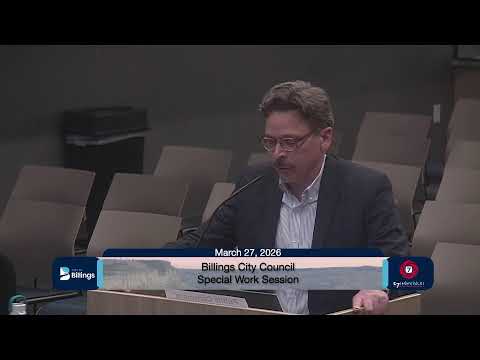
Billings staff outline how state law will shift many zone-change decisions to administrative review
Loading...
Summary
City staff told the council the Montana Land Use Planning Act lets staff approve zone changes that match the adopted future land use map, with appeals first to the planning commission, then council, and court. Council members raised concerns about appeal timing, standing and the potential for delays.
City planning staff on Thursday briefed the Billings City Council in a special work session on how the Montana Land Use Planning Act will change the city’s zoning review process, allowing more zone changes to be approved administratively if they align with a new Billings 2045 future land use map.
The session explained that when a planning administrator finds a proposed zone change fits the adopted future land use map, the application can be approved administratively and posted for a 15-business-day public comment period. If someone seeks review, the first appeal would go to the interim planning commission for a de novo review; council review would be the second step, followed by district court if the dispute continues.
Staff said the approach is intended to speed routine decisions while preserving appeal rights. "If the application fits the criteria for review, the application is approved administratively," a staff presenter told the council, and the planning commission would serve as the appellate review body for those administrative decisions.
Why it matters: the procedural change shifts many initial zone-change decisions from council to staff, altering who makes the first call on projects. Council members pressed staff on how often appeals might occur, who qualifies as an "aggrieved party," and how long the process could leave a project on hold if someone appeals.
Council questions focused on standing and timing. Staff and the city attorney said an "aggrieved party" must show a particularized injury, not merely proximity, and that the planning commission—rather than staff—determines standing for appeal. Staff also noted statutory notice requirements, including at least 15 days for certain actions, which could add time to contested cases.
Several council members recommended procedural safeguards to limit hold‑ups: recruiting qualified planning commissioners, empowering the planning commission to hold special meetings when needed, and working out a practical timeline for application submittals so that notice and hearing dates align. One council member suggested bringing contested topics back when the full council is present to avoid split decisions.
Staff also committed to developing a calendar showing submittal dates and how the appeal windows and notice requirements would interact with planning commission and council schedules. The map and procedures are due to take effect under the state timeline; staff said they will continue refining notice and meeting timelines to reduce unnecessary delays.
The work session did not include any formal votes; staff and council said they will return with more detail and that formal zoning regulations and any final council votes will come later in the approval process.