Committee clarifies manufactured-housing language and debate surfaces over capital-gains treatment
Loading...
Summary
Members reviewed a package of bills affecting manufactured-housing communities: mediation and nondisclosure protections, limits on lot-rent increases tied to CPI+1%, title-cancellation conversion language, and disputed edits to a capital-gains deduction that members said risk broadening the law beyond intended cooperative sales.
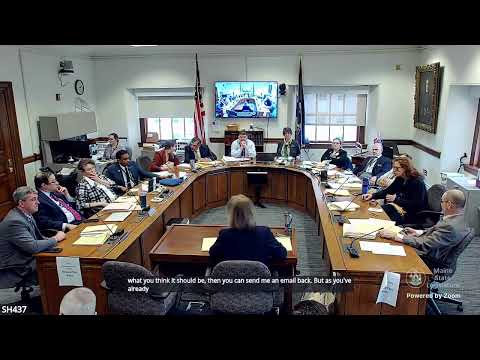
The Committee on Housing and Economic Development spent an extended portion of its language-review session on a cluster of bills affecting manufactured-housing communities, manufactured and mobile homes, and cooperative conversions.
Representative Gere, presenting LD 2231 and related packets, outlined both majority and minority reports. The minority report proposed adding a mediation safeguard declaring it bad faith for a community owner to require a nondisclosure agreement from a homeowner during mediation; the majority report added that sentence and also limited lot-rent increases to no more than once per calendar year and clarified mediation triggers. As Rep. Gere noted, the mediation trigger language will be tied to the consumer-price index plus 1 percent.
"It will say percentage increase in lot rent or fees is greater than the percentage under subsection 2 paragraph g plus 1%," the presenter said, clarifying how the CPI-based test will appear in the revised draft.
The group also debated provisions that allow a property owner to have a certificate of title canceled, and for the property to convert into residential real property when the cancellation is recorded in the registry of deeds. "So that's when the magic occurs," Representative Gere said, explaining that conversion becomes effective upon recording.
A separate but related discussion on LD 2149—an affordability bill that adjusts transfer assessments and preserves a capital-gains deduction—prompted disagreement about the scope of "qualified property." The reviser's suggested language limited qualified property to mobile-home parks and manufactured-housing communities; some members said that omitted the committee's intent to preserve broader cooperative-sale treatment that currently applies to other property types.
Representative Collamore said the narrowing was not his intent and indicated he would ask for a reconsideration if the final language broadened eligibility beyond mobile-home parks. Members including Senator Bennett and others clarified their shared intent: the capital-gains deduction (up to $750,000) should apply when qualified businesses or qualified properties that primarily provide housing are sold to affordable-housing cooperatives, whether the transaction is an asset or business sale.
Committee members and staff flagged several drafting fixes that Ross (the reviser's office) will correct before final formatting; the committee indicated its intent for many of the changes but noted that floor amendments remain an option if final electronic drafts do not reflect the agreed intent.
The committee was careful to distinguish technical clarifications from substantive changes and confirmed several items would be handled as reviser's edits or with follow-up on the floor if needed.